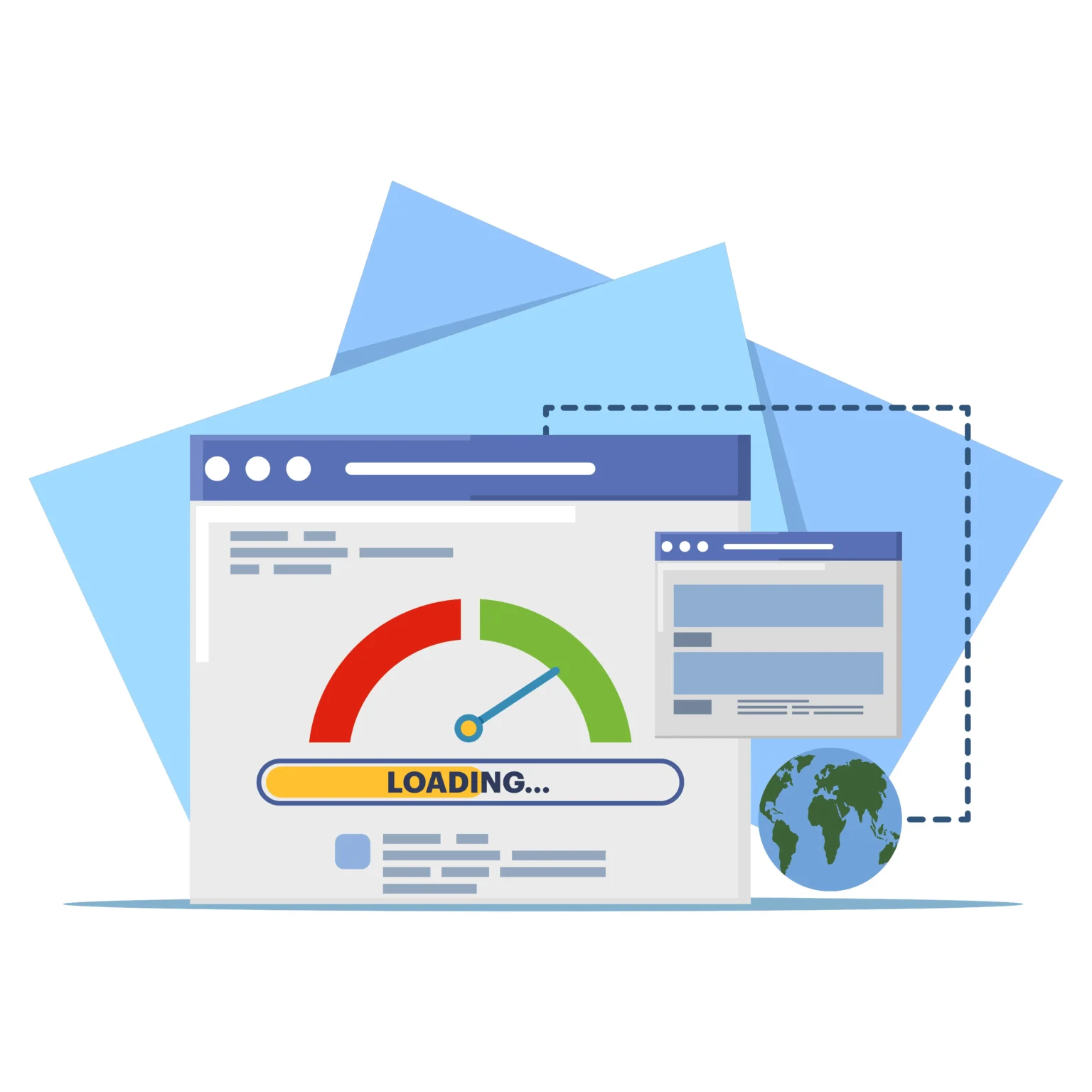
If you’ve ever tapped your fingers impatiently while waiting for a webpage to load, you already understand the frustration that comes with slow page speed. But beyond user annoyance, how crucial is page speed for SEO as we move into 2026 and the years beyond?
In short, the answer is, “important.” Search engines have long prioritized fast-loading pages, and with advancements in technology and shifting user expectations, page speed isn’t just a ranking factor. It’s become a huge non-negotiable part of a successful SEO strategy.
How Page Speed Will Shape SEO in 2026
Looking ahead, page speed won’t just affect rankings, it’ll influence a site’s visibility in new ways. Here’s what to expect:
- Crawling: Search engines will use AI to assess page speed dynamically, penalizing inconsistent performance even more harshly.
- Zero-Click Searches: If your page doesn’t load instantly, voice assistants and featured snippets will favor competitors who do.
- Mobile-First Indexing 2.0: With mobile traffic dominating, Google will likely introduce stricter benchmarks for mobile load times.
The takeaway? If you’re not optimizing for speed right now, you’re already behind.
Technical Fixes for Future-Proof Speed
Thankfully, improving page speed isn’t rocket science. Here are some actionable steps that will make a difference:
- Upgrade Hosting: A sluggish server drags everything down. Consider switching to a premium host or CDN.
- Compress Everything: Tools like WebP for images and Brotli for text compression can slash load times.
- Lazy Load Non-Critical Elements: Prioritize above-the-fold content to render faster.
- Audit Regularly: Use Google’s PageSpeed Insights or Lighthouse to catch regressions.
The Evolution of Page Speed as an SEO Factor
Back in the early 2010s, page speed was more of a nice-to-have feature than a must-have. Fast-forward to today, and Google’s algorithm updates, like the Core Web Vitals rollout, have made it clear that speed absolutely matters. But why? Because users hate waiting. Studies show that a delay of just two seconds can increase bounce rates by up to 32%. That means your website is less than 3 seconds away from being an afterthought if it’s suffering from decreased or slow page loading speed. And in 2026, with 5G becoming ubiquitous and AI-driven experiences setting new standards, slow sites will stick out worse than a sore thumb.
Interestingly, hosting plays a big role here. For example, a data center Miami location might offer lower latency for users in the southeastern U.S., improving load times for that audience. Geographic proximity to servers is just one piece of the puzzle. Optimizing images, leveraging modern code practices, and minimizing render-blocking resources are equally critical.
The key is to implement continuous optimization. Know that what’s fast today might not be tomorrow.
In 2026, page speed will be more than a ranking signal—it’ll be the gatekeeper of user trust, engagement, and conversions. With search engines and users both demanding near-instant loading, businesses that neglect speed will hemorrhage traffic. The fix? Proactive optimization, smart hosting choices (just like that data center Miami example), and staying ahead of technical trends. So, what’s the bottom line? Speed isn’t just part of SEO, speed is actually the foundation. Start building yours now.