We recently went through the process of building a multimedia archive for our own company, and let me tell you, it’s been a total game-changer. We followed the steps I mentioned below, starting with taking stock of all our old tapes, photos, and recordings. It was crazy to see how much awesome stuff we had just lying around! We prioritized what needed to be digitized first, focusing on the things that really told our story.
- Let’s explore why a multimedia archive matters and how you can build and maintain one effectively.
We ended up going with Digital Converters to handle the digitization, and they did a fantastic job. Now, we’ve got this amazing collection of our company’s history in a digital format, and we’ve been having a blast finding new ways to use it. From nostalgic marketing campaigns to onboarding new hires, our multimedia archive has become an invaluable resource. I figured I’d share our experience to show you that building an archive isn’t just a hypothetical – it’s something real businesses like ours are doing and seeing real benefits from.
Remember the time when an old promotional video saved your marketing campaign? The video, though a bit grainy, captured the essence of your brand’s early days and struck a chord with your audience. This nostalgic piece of media became a hit, reminding everyone of your company’s journey.
This is the power of a multimedia archive. In today’s digital age, preserving and organizing your business’s media is not just a smart move; it’s extremely important. Building a multimedia archive can help safeguard your history, enhance your marketing efforts, and save costs in the long run.
Let’s explore why a multimedia archive matters and how you can build and maintain one effectively.
Steps to Build Your Multimedia Archive
Inventory Your Media
Start by listing all the physical media you have in your possession. This includes VHS tapes, cine films, photos, audio cassettes, and any other formats. Categorize them by type and date to get a clear picture of what needs to be digitized. Creating an inventory helps in planning the digitization process efficiently.
Prioritize Digitization
Not all media have the same value or urgency for digitization. Decide which media are most valuable and should be digitized first. Factors to consider include the historical significance, condition of the media, and potential usage in upcoming projects. Prioritizing ensures that your most important assets are preserved before they degrade further.
Choose the Right Service
Research and choose a reliable service like Digital Converters. They specialize in converting various media formats, ensuring your precious memories are preserved with high quality. These experts can handle VHS tapes, cine films, photos, and audio cassettes, making the process hassle-free. Their expertise guarantees that your media is converted accurately and safely, preserving its integrity.
Organize Your Files
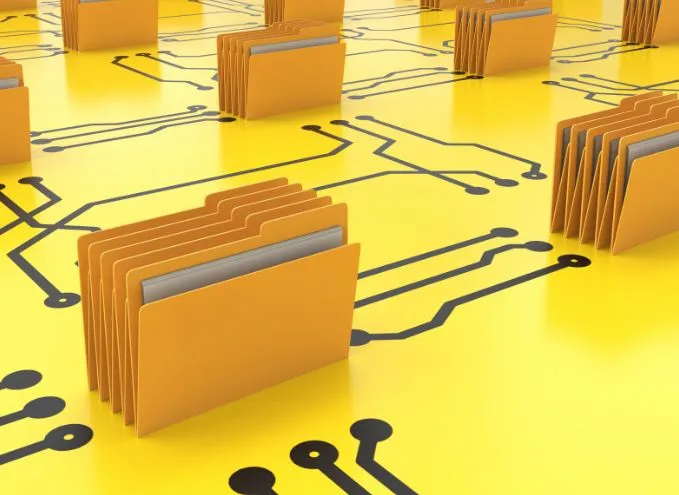
Once digitized, organizing your digital files is crucial for easy access and management. Categorize and label the files systematically. Use a consistent naming convention and store them in categorized folders. For example, you can create folders for different types of media, such as “Photos,” “Videos,” and “Audio,” and further subcategorize by date or event.
Backup Your Archive
Creating multiple backups of your digital files is essential to prevent data loss. Store backups in different locations, such as an external hard drive, cloud storage, and another secure physical location. Regularly update these backups to ensure that new additions to your archive are also protected. This redundancy ensures that your archive remains intact even if one backup fails.
Why a Multimedia Archive Matters
Business Continuity
A multimedia archive ensures that your important media is always accessible. Imagine losing all your old marketing materials, training videos, or significant event recordings due to deterioration or obsolescence. By digitizing these assets, you safeguard them against physical damage and ensure they are easily retrievable. This continuity is crucial for maintaining a consistent brand identity and having resources readily available when needed.
Marketing Resource
Old media holds immense value for new marketing campaigns. Repurposing vintage footage, photos, or audio can create engaging content that resonates with both old and new customers. Nostalgia marketing is powerful; it connects emotionally with the audience by evoking fond memories. With a multimedia archive, you can easily access and reuse past materials to craft compelling stories and campaigns that highlight your brand’s journey and evolution.
Historical Value
Every business has a unique story, and preserving this history is vital. A multimedia archive helps keep a record of your company’s milestones, achievements, and growth. This historical value is not just for nostalgia; it can also serve as an inspiration for future projects and a testament to your brand’s legacy. Employees and stakeholders can look back at the company’s evolution, fostering a sense of pride and continuity.
Best Practices for Maintaining Your Archive
Regular Updates
Schedule periodic updates to add new media to your archive. As your business grows and new media is created, incorporating these into your archive ensures it remains comprehensive and up-to-date. Set a routine, such as quarterly or bi-annually, to review and update your archive.
Quality Control
Regularly check the quality of your digital files to ensure they remain in good condition. Over time, digital files can degrade or become corrupted. Performing periodic quality checks helps identify and resolve any issues early. Maintain a log of these checks to track the condition and integrity of your files.
Security Measures
Implement security protocols to protect your archive from unauthorized access or data loss. Use password protection and encryption for sensitive files. Ensure that only authorized personnel have access to the archive. Additionally, consider using secure storage solutions and maintaining regular security audits.
Utilizing Your Multimedia Archive
Marketing Campaigns
Your multimedia archive can be a goldmine for new marketing campaigns. Repurpose old videos, photos, and audio to create engaging content. For instance, use snippets from old promotional videos to create a retrospective campaign highlighting your brand’s journey. Share these on social media or in marketing materials to evoke nostalgia and connect with your audience on a deeper level.
Training and Development
Historical media can be invaluable for training new employees. Use old training videos, event recordings, and promotional materials to educate new hires about your company’s history, values, and practices. This not only provides practical training but also instills a sense of pride and belonging in the company’s heritage.
Customer Engagement
Sharing nostalgic media can engage customers on social media and other platforms. Post old photos, videos, or audio clips to celebrate anniversaries and milestones or just for Throwback Thursdays. Encourage customers to share their own memories related to your brand. This interaction fosters a community and strengthens customer loyalty.
Conclusion
Building a multimedia archive for your business is a wise investment in preserving your history, enhancing your marketing efforts, and ensuring business continuity. By following the steps outlined, from inventorying your media to choosing a reliable digitization service, you can create a comprehensive and organized archive. Maintaining and utilizing this archive effectively will provide long-term value and security for your company’s cherished memories.
Start building your multimedia archive today and transform yesterday’s moments into today’s treasures.