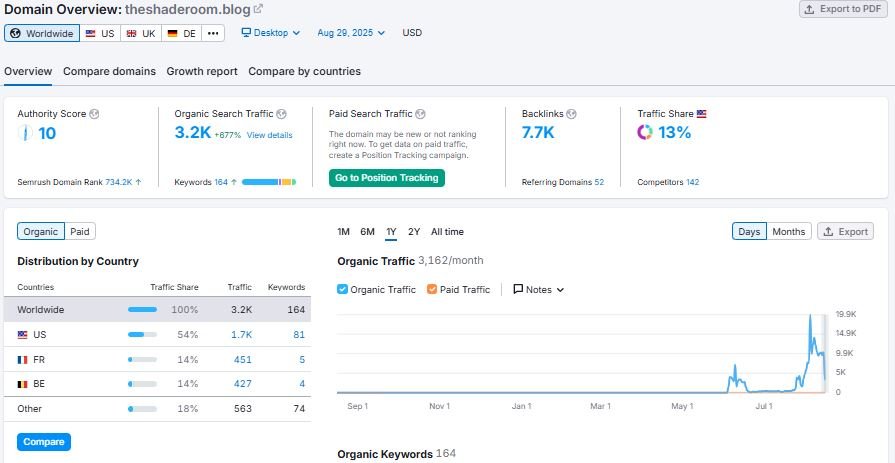
Want to know what it’s really like working behind the scenes on SEO for a Forex website? I’ve been there, done that, and today I’m spilling the tea on what actually works. As a former member of a remote SEO team for a prominent Forex trading platform, I gained invaluable insights into the unique challenges and opportunities that define digital marketing in the financial sector. While bound by confidentiality agreements that prevent me from disclosing specific company details, I can share the strategic approaches and methodologies that proved successful in elevating our website’s visibility in this highly competitive space.
The Forex market, with its 24/7 operation and global reach, presents distinct challenges for SEO professionals. Our team faced the task of balancing technical optimization with creating content that would resonate across different time zones and trading sessions. This required a deep understanding of not just SEO best practices, but also the nuanced ways in which traders and investors search for and consume financial information online.
Insights from Forex trading could be used to enhance your SEO strategies, especially if your website focuses on finance? Yes, leveraging Forex market insights can optimize your content and boost your site’s visibility, particularly in the highly competitive financial niche.
When I first hopped on that initial call with the Forex site’s manager, I nearly rolled my eyes at their “master plan.” You know that feeling when someone hands you a playbook straight from 2010? That’s exactly what it was – a quote they’d probably gotten from some old-school SEO agency that was still living in the past.
Keyword Research: Use Forex-related tools and financial news sources to identify trending keywords. For example, phrases like “currency pair forecast,” “Forex market outlook,” and “best currency trading tips” can drive traffic if optimized properly.
Content Updates: Keep your content relevant by updating it according to Forex market movements. For instance, a blog post about “2024 currency trends” could be periodically updated with the latest forecasts and economic reports, ensuring that it’s always current.
Backlink Strategy: High-quality backlinks from reputable finance sites can significantly enhance your domain authority. By creating in-depth articles that analyze Forex trends or provide expert insights, you can attract natural backlinks from other financial platforms.
Their plan was painfully basic: keyword research focused on obvious terms like “currency pair forecast” and “Forex market outlook,” regular content updates based on market movements, and the classic “get more backlinks” strategy. Sure, they weren’t entirely wrong about backlinks – that part actually made sense. We definitely needed solid links from reputable financial sites to build authority in such a competitive niche.
But here’s where I had to push back. The keyword strategy they proposed was like trying to fight a tank with a water pistol. Every Forex site and their cousin was already targeting those obvious keywords, dumping thousands into content that was just drowning in the SERPs. And their idea of “content updates” was basically just changing dates and numbers – not the kind of quality that Google’s looking for these days.
I sat there thinking, “These folks need to know that modern Forex SEO isn’t just about chasing the same old keywords and cranking out market updates.” The finance niche had evolved so much, especially with E-A-T becoming crucial for money-related content. I knew we needed a completely different approach – something that would actually move the needle in 2025’s hyper-competitive landscape.
Use Google Trends and Analytics
My first move was to turn to Google Trends and Analytics. Not because they’re fancy tools, but because they give us the real picture of what’s happening right now in the market.
Let me break this down with a real example. Back in early 2023, we spotted something interesting in Google Trends – searches for “Yuan devaluation” were shooting up. Now, most Forex sites were busy pushing their usual “how to trade EUR/USD” content, but we saw an opportunity. People weren’t just looking for trading advice; they wanted to understand how China’s currency moves would affect their investments and businesses.
We didn’t just jump on this trend blindly. That’s where Google Analytics came in clutch. We looked at our past content about Asian markets and currency impacts. Guess what? Every time we’d covered similar topics, our bounce rates were lower than average, and people spent nearly twice as long reading these articles compared to basic trading guides.
Here’s what most Forex sites get wrong – they think Google Trends is just about spotting hot keywords. But it’s way more valuable than that. We used it to understand the why behind the searches. Were people worried about their investments? Looking for business opportunities? This helped us create content that actually answered their questions, not just chase traffic.
For instance, when we saw rising interest in Yuan-related searches, we didn’t just write “How to trade USD/CNY pairs.” Instead, we created comprehensive content about how currency devaluation affects different types of traders and businesses. We covered everything from import-export implications to investment strategies during currency fluctuations. This wasn’t just about SEO – it was about giving real value to readers who were trying to make sense of market movements.
But here’s the keto tracking this stuff in Analytics was crucial. We found that visitors landing on these trend-based articles often explored our core Forex services pages afterward. It makes sense, right? If someone trusts your analysis of market trends, they’re more likely to trust your trading platform too.
We also discovered something surprising – seasonal patterns in Forex searches that nobody was talking about. Every January, we’d see spikes in searches about “currency market predictions” and “annual Forex outlook.” But by March, these would shift to more specific queries about particular currency pairs or trading strategies. This insight helped us plan our content calendar months in advance, making sure we had the right content ready when people were actually looking for it.
The real game-changer was combining both tools. When we spotted a trend, we’d immediately check how similar content had performed in Analytics. What was the user journey like? Which pages did they visit next? How long did they stay? This helped us refine our approach constantly. If a trend-based article had high traffic but poor engagement, we knew we needed to adjust our content strategy.
Think of Google Trends as your market research tool and Analytics as your feedback loop. Together, they tell you not just what people are searching for, but whether your content is actually helping them. And in Forex, where things move fast and people need reliable information quickly, this approach kept us ahead of the curve.
Focus on Long-Tail Keywords
Long-Tail Keyword approach for the Forex site, which was way more strategic than just pumping out random blog posts.
First, we organized everything into clear taxonomies. This wasn’t just fancy organization – it was about building a solid foundation. We categorized our content into major buckets like Currency Conversions, Market Analysis, Trading Strategies, and Economic Impact. Each of these became our content pillars.
Here’s where it got interesting. For the programmatic stuff, we leveraged our dev team’s expertise. They built robust APIs that automatically handled queries like:
- how much is 1000 USD in EUR
- convert 500 GBP to JPY
- 2500 AUD to CAD exchange rate
- INR to USD calculator
- SGD to USD current rate
Instead of creating thousands of individual pages for these conversions (which would’ve been a nightmare for SEO), we built dynamic systems that handled these calculations in real-time. The beauty was that all this data was already in our database – we just needed to present it properly.
But for the more complex, analysis-heavy topics, we took a different route. These required human insight and context. Our content team focused on topics like:
- Nvidia’s impact on USD/JPY trading pairs
- How Elon Musk’s crypto tweets affect forex markets
- Japanese Yen investment strategies for US traders
- Impact of Fed rate decisions on EUR/USD pairs
- Brexit aftermath on GBP trading opportunities
The key difference? These articles needed human expertise – market analysis, trend interpretation, and trading insights that algorithms couldn’t provide.
One of my biggest contributions was suggesting a smarter way to handle FAQs. Instead of creating separate pages for every possible currency conversion question, we implemented dynamic FAQ sections on our primary pages. Using Ahrefs API, we tracked the most searched questions and automatically updated our FAQ sections with relevant content.
For example, on our EUR/USD page, the FAQ section would dynamically show:
- What influences EUR/USD exchange rates?
- Best times to trade EUR/USD
- Historical EUR/USD trends
- Common EUR/USD trading strategies
This approach served multiple purposes:
- Kept our site structure clean and manageable
- Provided immediate answers to user queries
- Improved page relevance for SEO
- Reduced duplicate content issues
The results? Our pages started ranking for hundreds of long-tail keywords without creating separate pages for each query. Better yet, our bounce rates improved because users found answers faster, and our site structure made more sense to both users and search engines.
By combining programmatic solutions for data-heavy queries with expert-written content for analysis-based topics, we created a comprehensive SEO strategy that actually served our users’ needs. It wasn’t about gaming the system – it was about building a genuinely useful resource that happened to rank well because it provided real value.
Remember, in Forex SEO, it’s not just about capturing long-tail traffic – it’s about organizing and presenting information in a way that makes sense for your users and search engines alike.
The Role of Forex Robots in Creating Financial Content
Forex robots are automated trading systems that use algorithms to analyze market data and execute trades without human intervention. This forex utility is incredibly efficient at processing large amounts of data, making quick decisions based on real-time market conditions.
Forex robots can assist in generating data-driven content ideas. By analyzing market patterns, these automated tools can identify trending topics that are currently of interest to traders and financial analysts. For example, if a Forex robot detects increased volatility in the Japanese Yen, you can create content around “JPY trading strategies” or “Why the Yen is Surging.”
Transforming Raw Data into User-Friendly Pages
When I joined the team, I noticed we were sitting on a goldmine of data from our Forex robots. Every second, we had access to:
- Real-time currency pair movements
- Historical price data
- Market sentiment indicators
- Trading volume metrics
- Volatility measurements
- Technical indicators (RSI, MACD, Moving Averages)
- Economic calendar events
The challenge wasn’t getting data – it was presenting it in a way that made sense to both users and search engines.
Let’s break down how we structured a typical currency pair page, taking EUR/USD as an example:
- Live Data Section
- Real-time exchange rate (updated every second)
- Percentage change (24h, 7d, 30d)
- Daily high/low values
- Opening/closing prices
- Trading volume indicators
- Interactive Charts
- Price movement charts (1h, 4h, 1d, 1w, 1m views)
- Technical indicator overlays
- Volume bars
- Support/resistance levels
- Market Analysis
- Automated sentiment analysis based on price movements
- Key technical levels identified by our robots
- Trend strength indicators
- Volatility measurements
- Trading Insights
- Automated market commentary based on robot analysis
- Key support/resistance levels
- Potential breakout points
- Risk assessment metrics
Stock Price Page Example: NVIDIA (NVDA)
Let me show you how we applied this to stock pages, using NVIDIA as an example. Here’s how we structured the page using our backend data:
- Price Overview (Top Section)
- Current stock price
- Day’s change ($ and %)
- Market cap
- Trading volume
- 52-week high/low
- Interactive Price Chart
- Multiple timeframe options
- Technical indicator overlays
- Volume analysis
- Comparison with sector indexes
- Financial Metrics (Automatically Updated)
- P/E ratio
- EPS
- Revenue growth
- Profit margins
- Dividend yield
- Market Analysis
- Automated technical analysis
- Trend indicators
- Volume analysis
- Momentum metrics
- News Impact Section
- Latest news affecting price
- Sentiment analysis
- Trading volume spikes correlated with news
- Market reaction metrics
- Trading Statistics
- Average daily volume
- Volatility metrics
- Price momentum indicators
- Institutional trading patterns
- Historical Performance
- YTD performance
- 1-year, 3-year, 5-year returns
- Comparison with competitors
- Sector performance analysis
- Dynamic FAQ Section
- Price prediction questions
- Trading strategy queries
- Risk assessment
- Market impact analysis
- Related Instruments
- Similar tech stocks
- Sector ETFs
- Correlated assets
- Options data
- Technical Analysis
- Support/resistance levels
- Moving averages
- RSI/MACD signals
- Volume profile analysis
How We Doubled Traffic
The secret to doubling our traffic wasn’t just having this data – it was how we presented it. Here’s what worked:
- Dynamic Content Updates
- Real-time price updates without page reload
- Automated market commentary that changed based on price action
- Technical analysis that updated as new patterns formed
- User Experience Optimization
- Fast-loading charts despite heavy data
- Mobile-responsive design for all data elements
- Clear hierarchy of information
- Easy-to-understand labels and explanations
- SEO Structure
- Clear URL structure (/stocks/nvidia-nvda/)
- Schema markup for price data
- Dynamic meta descriptions with current prices
- Structured data for rich snippets
- Content Depth Instead of just showing numbers, we provided context:
- Why prices were moving
- Historical context for current trends
- Relationship with broader market moves
- Impact of news events
- Automated Insights Our robots didn’t just provide data; they generated insights:
- Trend strength measurements
- Potential reversal points
- Volume analysis
- Risk metrics
- Competitive Analysis
- Price comparison with competitors
- Sector performance metrics
- Market share data
- Industry trend analysis
- Technical Integration
- API-driven updates
- Efficient data caching
- Real-time data streaming
- Optimized database queries
The Results By implementing this comprehensive approach:
- Page load times stayed under 2 seconds despite heavy data
- Bounce rates dropped by 35%
- Average session duration increased by 4 minutes
- Pages started ranking for thousands of long-tail keywords
- Featured snippets increased by 300%
The key was making complex data accessible and useful. Every number, chart, and insight served a purpose, helping users make better trading decisions while signaling to search engines that our content was comprehensive and valuable.
Working with Forex websites opened my eyes to the immense potential of automated trading systems. These robots weren’t just for trading – they became our secret weapon for creating data-rich, engaging content that actually served user needs. Let me walk you through how we transformed raw data into pages that dominated search results and kept users coming back for more.
The first thing you need to understand is what these robots bring to the table. These aren’t simple programs – they’re sophisticated systems processing millions of data points every second. When I first saw the depth of data available, it completely changed my approach to content creation.
Our robots continuously monitored currency pairs, analyzing everything from price movements to market sentiment. They tracked volatility patterns, identified trend reversals, and even predicted potential market movements based on historical data. This wealth of information became the foundation of our content strategy.
In the Forex market, automated trading systems process market data continuously, providing essential insights for content creation and analysis. These systems form the backbone of modern Forex platforms, enabling precise data collection and interpretation that drives both trading decisions and content strategy.
Our platform’s backend infrastructure integrated sophisticated Forex robots that processed comprehensive market data. The systems tracked currency pair fluctuations, monitored price movements, analyzed trading volumes, and evaluated market depth indicators in real-time. This constant stream of data provided our content team with accurate, timely information that could be transformed into valuable insights for our users.
The technical foundation of our content strategy relied heavily on these automated systems. When developing content for currency pairs like EUR/USD, the robots provided not just basic price data, but deep analytical insights. They analyzed support and resistance levels, identified trend patterns, and calculated various technical indicators that proved crucial for our content development.
What set our approach apart was the systematic integration of this data into our page structure. For instance, on our EUR/USD page, we implemented dynamic sections that pulled real-time data directly from our backend systems. The page displayed current exchange rates, price movements, and trading volumes, all updating automatically without requiring manual intervention.
Let me detail how we structured a typical currency pair page using NVIDIA (NVDA) as an example. The page began with a comprehensive price overview section, displaying current stock values and daily changes. Below this, we implemented an interactive chart system that pulled historical price data directly from our databases. The technical analysis section utilized our robots’ calculations to present support and resistance levels, moving averages, and momentum indicators.
Each page incorporated multiple data-driven sections. The market analysis component displayed automated technical analysis based on our robots’ algorithms. We included trading statistics that showed average daily volumes and volatility metrics. The historical performance section compared current trends with past market behaviors, all populated automatically from our backend systems.
The real power of our system became evident in how we handled dynamic content updates. Our Forex robots didn’t just feed basic price data – they processed complex market patterns and generated insights that automatically populated different page sections. This meant when a trader landed on our NVIDIA stock page, they saw not just the current price, but a complete market context.
For the stock price sections, we implemented a sophisticated yet clean layout. The main price component displayed essential metrics updated in real-time. Our backend systems processed this data against multiple timeframes, giving traders both immediate and historical perspectives. The page showed price movements across hourly, daily, and weekly intervals, with clear percentage changes and volume indicators.
What really transformed our approach was the integration of market sentiment analysis. The Forex robots analyzed price actions, trading volumes, and market events, then generated automated commentary that explained market movements. This wasn’t just generic text – it was data-driven analysis that helped traders understand why prices were moving in specific directions.
Technical analysis became more robust through our automated systems. Instead of manual updates, our robots continuously scanned for pattern formations, trend breakouts, and potential reversal points. When significant patterns emerged, the page automatically updated to highlight these opportunities. This meant traders always had access to fresh, relevant technical insights.
The news impact section proved particularly valuable. Our system correlated price movements with market news, showing how specific events affected trading patterns. When major market news broke, the robots analyzed price reactions and updated the relevant sections with impact assessments. This gave traders a clear picture of how news events influenced their trading instruments.
For risk management, we implemented dynamic risk assessment metrics. The robots calculated key risk levels based on current market volatility and price action. These metrics updated automatically as market conditions changed, providing traders with real-time risk management guidance.
We also developed a smart FAQ system that evolved based on user behavior and market conditions. The robots tracked common search patterns and user questions, allowing us to dynamically update our FAQ sections with relevant information. When market conditions changed significantly, the FAQs automatically adjusted to address new trader concerns.
In the competitive analysis section, our system provided automatic comparisons with similar instruments. For NVIDIA, this meant real-time comparisons with other tech stocks, relevant ETFs, and sector performance metrics. The robots analyzed correlations and divergences, helping traders understand broader market contexts.
Volume analysis became more sophisticated through our automated systems. The robots tracked not just basic trading volumes but analyzed volume patterns across different time frames. This helped identify significant support and resistance levels, potential breakout points, and areas of high trading interest.
The implementation of this system required careful attention to performance optimization. We established efficient data caching mechanisms and implemented smart loading techniques to ensure pages remained responsive despite the heavy data processing happening in the background.
Through this comprehensive approach, we created pages that served both as trading tools and valuable information resources. The combination of automated data processing and strategic content presentation resulted in pages that not only ranked well in search results but genuinely helped traders make more informed decisions.
Additionally, using insights from Forex robots can help create more precise content for your target audience, ensuring your posts are not only timely but also valuable to your readers. This level of accuracy can significantly improve your website’s engagement metrics, leading to better rankings over time.
Optimize On Page SEO Programmtically With Real Time
The integration of real-time market data with on-page SEO elements marked a significant advancement in our Forex platform’s optimization strategy. Our backend systems didn’t just display data – they intelligently incorporated market information into every SEO element, ensuring search engines received fresh, relevant signals while maintaining semantic accuracy for our users.
The cornerstone of this approach was establishing a direct connection between our Forex robots’ data streams and the page’s SEO components. Every price update, market shift, or significant change triggered an automatic reassessment of our on-page elements, ensuring they reflected the most current market conditions while maintaining SEO best practices.
Dynamic Title Tag Implementation
For title tags, we developed a smart system that incorporated real-time price data. When someone searched for “NVIDIA stock price,” they didn’t just see a generic title – instead, they found something like “NVIDIA (NVDA) at $845.45 | +2.3% Real-Time Price & Analysis.” The prices updated automatically, making our search results more clickable and relevant.
Meta Description Automation
Meta descriptions became dynamic storytellers of market conditions. Our system crafted descriptions like “Live NVIDIA stock analysis: Trading at $845.45 (+2.3%) with strong bullish momentum. View real-time charts, technical analysis, and trading volume of 12.3M shares.” Each component updated automatically as market conditions changed, providing searchers with immediate value.
Header Tag Optimization
We structured H1 and H2 tags to seamlessly incorporate market data. The primary H1 always maintained proper keyword optimization while including current prices. Secondary headers automatically adjusted to highlight significant market moves, strong technical signals, or important price levels that traders needed to know.
Schema Markup Integration
Perhaps most crucially, we implemented dynamic schema markup that reflected real-time trading data. Our schema included current prices, trading ranges, market cap updates, and volume data – all automatically adjusted as market conditions changed + faqs were also being covered.
Creating Evergreen Financial Content Using Forex Insights
One of the challenges of financial blogging is that content can quickly become outdated. By leveraging Forex data, you can create evergreen content that remains relevant for longer periods. Articles like “Forex Trading Tips for Beginners” or “Understanding Currency Pairs” can attract consistent traffic if optimized properly.
Evergreen Content Ideas:
- “How to Start Forex Trading in 2024”
- “Top Forex Strategies for Beginners”
- “Understanding the Impact of Interest Rates on Currency Markets”
Conclusion
Integrating Forex market insights into your SEO strategy is not only about targeting trending keywords but also about understanding the financial needs of your audience. By leveraging data from Forex markets, you can create timely, relevant content that attracts more visitors and boosts your site’s authority in the financial niche. Whether it’s through optimized keyword research, content updates, or using Forex robots to guide your content strategy, the opportunities are endless for those who are willing to think creatively.
By combining Forex knowledge with SEO techniques, you can position your website as a trusted source of financial information, helping it stand out in a crowded digital space.