Most Common Marketing Myths – Separating Facts from Fiction
Picture this: you’re at a party, sipping a drink, when someone strikes up a conversation about marketing. “Oh, I’ve heard that email marketing is dead,” they say confidently. “And isn’t marketing just throwing money at ads and hoping something sticks?” You nod politely, but inside, you’re shaking yo
 Ahsan SoomroHead of SEO19 min read
Picture this: you’re at a party, sipping a drink, when someone strikes up a conversation about marketing. “Oh, I’ve heard that email marketing is dead,” they say confidently. “And isn’t marketing just throwing money at ads and hoping something sticks?”
You nod politely, but inside, you’re shaking your head. You’ve heard these misconceptions before, and you know they’re about as accurate as a carnival fortune teller.
The truth is, the world of marketing is filled with myths and half-truths that just won’t seem to die. They get passed around like bad gossip, leading businesses down the wrong path and causing them to miss out on real opportunities.
But here’s the thing – you don’t have to fall for these tall tales. With a little bit of knowledge and a healthy dose of skepticism, you can separate the marketing facts from the fiction.
Think of it like being a detective in a cheesy mystery novel. You’ve got to look past the red herrings and the false leads to uncover the truth. Is email marketing really a relic of the past? Or is it more like a trusty sidekick that’s been there all along, ready to help you crack the case?
Have you ever wondered why some marketing strategies seem to work wonders while others fall flat? The world of marketing is filled with myths that can confuse even the most savvy business owners. These myths often lead to common misunderstandings about what truly makes a marketing strategy successful. In this post, we’ll tackle some of the most common marketing myths head-on, we’ll reveal the realities that lie beneath. Whether you’re a pro marketer or a small business owner just getting started it’s for everyone.
More Traffic Equals More Success
A prevalent myth in marketing is the assumption that more website traffic automatically translates into more success. Just because a website has a ton of visitors doesn’t guarantee it’ll be successful. Think about it – if those visitors aren’t really interested in what the site has to offer, they probably won’t stick around or buy anything. Maybe they just stumbled onto the site by accident or clicked on a headline that was a bit misleading. While high traffic numbers can be impressive, they don’t necessarily equate to higher sales or profitability. The key metric to focus on is not just the volume of traffic but the quality of that traffic—how targeted and engaged the visitors are. A smaller group of highly targeted visitors can be more valuable than large volumes of disengaged users. Effective marketing focuses on attracting the right kind of traffic that is more likely to convert into sales.
Imagine a website that has a lot of visitors, but none of them are interested in what the website is offering. They might have landed on the website by mistake or were attracted by a misleading headline. This means that despite having high traffic, the website is not generating any leads, sales, or revenue.
On the other hand, imagine a website that has a small number of visitors, but most of them are highly interested in what the website is offering. They might be searching for a specific product or service and landed on the website through a targeted search query. This means that despite having low traffic, the website is generating a high number of leads, sales, or revenue.
Generating Income is Very Easy & Passive In This Era (Don’t Get In The Trap Of Course Sellers)
Passive income sounds like a dream come true, right? Make money while you sleep, lounge on the beach, or binge-watch your favorite shows. It’s a pretty appealing concept. But here’s the thing – building a reliable passive income stream isn’t as simple as some people make it out to be.
Let’s break it down. Passive income typically means earning money from a source that doesn’t require active, ongoing effort to maintain. Some common examples are rental properties, dividend-paying stocks, and creating products like ebooks or courses that you can sell over and over (These are the most common ones popular from years).
So in modern day Course sellers are selling dreams of making passive income via Digital Industry. Many enter the digital marketing world with the misconception that generating income online is inherently passive and effortless. The truth, however, is that creating a reliable source of online income requires significant initial effort and ongoing optimization. Success in digital marketing demands continuous engagement, content updates, and strategy adjustments to remain relevant and profitable.
But here’s where the myth of “passive” comes into play. While these income streams might not demand your constant daily involvement, they almost always require a significant upfront investment of time, effort, or money (and often all three).
Take rental properties, for instance. Sure, once you have a property up and running with reliable tenants, the monthly rent checks might feel pretty passive. But think about all the work that goes into getting to that point – saving up for a down payment, scouring listings for the right property, going through the purchase process, renovating or repairing the property, finding good tenants, and setting up systems for maintenance and rent collection. It’s a lot of upfront legwork.
The same goes for creating a digital product. You might be able to sell an ebook or course indefinitely, but first you have to pour hours into creating valuable, high-quality content, setting up payment and delivery systems, and marketing the product. It’s not uncommon for creators to spend months or even years perfecting their offer before it starts generating significant income.
And let’s not forget about the ongoing maintenance these income streams often require. Rental properties need upkeep and occasional tenant turnover. Digital products may need updating as information becomes outdated. Dividend-paying stocks require ongoing research to ensure the companies remain solid investments.
So while passive income is a great goal to strive for, it’s important to approach it with realistic expectations. It’s rarely as simple as “set it and forget it.” Most passive income streams require substantial effort to set up and at least some ongoing attention to maintain.
The payoff, of course, is that with the right passive income streams, you can ultimately achieve a greater degree of financial freedom and flexibility. You’re not directly trading your time for money, so your earnings potential is less limited. And you may reach a point where your passive income covers your living expenses, giving you more control over how you spend your time.
Social media is flooded with ads and posts promising easy money with minimal effort. “Make millions while you sleep with this one simple trick!” they claim. Many of these ads lead to courses or coaching programs that purport to teach you the secrets to financial freedom.
But here’s the catch – often, the people selling these courses are making their money from the courses themselves, not from the strategies they teach. They’re skilled marketers who know how to tap into people’s desires for wealth and freedom. They paint a picture of a lavish lifestyle, with fancy cars, exotic vacations, and the ability to quit your 9-to-5 job. And they position their course as the key to unlocking this lifestyle.
The problem is, the strategies taught in these courses often aren’t as foolproof as they’re made out to be. They might rely on outdated tactics, overly saturated markets, or techniques that only work in very specific circumstances. Some course creators may have indeed made money using these methods, but that doesn’t mean they’ll work for everyone.
Moreover, many of these courses gloss over the amount of work and risk involved in building a successful passive income stream. They make it sound like anyone can achieve overnight success with just a few hours of effort per week. But as we’ve discussed, the reality is usually quite different.
This isn’t to say that all courses on passive income are scams. There are certainly legitimate educators out there sharing valuable knowledge. But it’s crucial to approach any passive income opportunity with a healthy dose of skepticism. Before investing in a course, research the creator thoroughly. Look for verifiable proof of their success, and see if they have a track record of delivering value to their students.
Also, be wary of any course that promises quick, easy riches. Building a sustainable passive income stream typically requires a significant investment of time, effort, and often money. If a course downplays this reality or makes outlandish earnings claims, that’s a red flag.
Social Media Isn’t Necessary for B2B
Another common myth is that social media marketing is only effective for consumer-focused (B2C) businesses and not necessary for business-to-business (B2B) companies. Some people think social media is only important for B2C companies, but that’s simply not true. B2B businesses can also benefit big time from building a strong social media presence.
This couldn’t be further from the truth. Social media platforms like LinkedIn are invaluable for B2B marketers, providing a space to establish thought leadership, boost brand visibility, and engage directly with potential clients. Social media allows B2B marketers to humanize their brands, showcase their expertise, and build valuable relationships within their industry.
Even giant B2B players like Alibaba recognize the power of social media. They create engaging videos showing off their products and capabilities. By using social media to tell their brand story and connect with customers, they’re able to drive real business results.
Email Marketing is Outdated
Email marketing is a thing of the past, but don’t believe the hype. Email is still a powerhouse when it comes to reaching and engaging your audience. You can use tools to divide your audience into groups and automate your emails, making them very specific for each group of subscribers. This helps increase interest and sales. Also, numbers show that email marketing brings back more money compared to what you spend on it than almost any other marketing method.
Sure, social media gets a lot of buzz, and it’s definitely an important part of any marketing strategy. But email has a few key advantages. For one, it’s more personal. When someone gives you their email address, they’re inviting you into their inbox – that’s a privilege you don’t want to take lightly.
Plus, email gives you a direct line of communication. You’re not at the mercy of shifting social media algorithms that might show your post to only a fraction of your followers. When you send an email, it lands right in your subscriber’s inbox.
Now, this doesn’t mean you can just blast out spammy sales pitches and expect great results. Like any form of marketing, email requires a strategic approach. You need to provide value, build trust, and craft compelling messages that resonate with your audience.
But when done right, email marketing can yield impressive results. It’s a great way to nurture leads, drive sales, and keep your brand top-of-mind. And with the rise of marketing automation, it’s easier than ever to send targeted, personalized emails that deliver the right message to the right person at the right time.
If you’ve ever shopped online, chances are you’ve encountered a newsletter signup form. It’s a staple on most ecommerce sites, from small Shopify stores to giants like Walmart and Best Buy. And there’s a good reason for that – email marketing is an incredibly effective tool for driving sales and fostering customer loyalty.
If you’ve ever shopped online, chances are you’ve encountered a newsletter signup form. It’s a staple on most ecommerce sites, from small Shopify stores to giants like Walmart and Best Buy. And there’s a good reason for that – email marketing is an incredibly effective tool for driving sales and fostering customer loyalty.
Consider this: when a customer subscribes to your newsletter, they’re not just giving you their email address. They’re indicating an interest in your brand and products. They’re saying, “Hey, I like what you’re offering, and I want to hear more.” That’s a powerful thing.
And once you have that direct line of communication, the possibilities are endless. You can send targeted promotions, announce new product launches, share valuable content – all tailored to your subscribers’ interests and behaviors.
Take abandoned cart emails, for example. If a customer adds an item to their cart but doesn’t complete the purchase, a well-timed email can be just the nudge they need. Maybe you remind them of the product they left behind, or offer a small discount as an incentive to buy. GoDaddy, for instance, sends an email 24 hours after a customer abandons a domain in their cart, often with a coupon code to sweeten the deal.
Or consider the power of upselling and cross-selling. If a customer buys a product from your store, you can use email to recommend complementary items or upgrades. If they bought a camera, perhaps they’d be interested in a tripod or extra lenses. This not only boosts your sales, but also provides value to the customer by introducing them to products they might love.
So don’t write off email as a relic of the past. It’s a tried-and-true tool that deserves a place in any modern marketing mix. Keep building that email list, keep providing value to your subscribers, and keep refining your email strategy – it’ll pay off in the long run.
More Choices Increase Sales
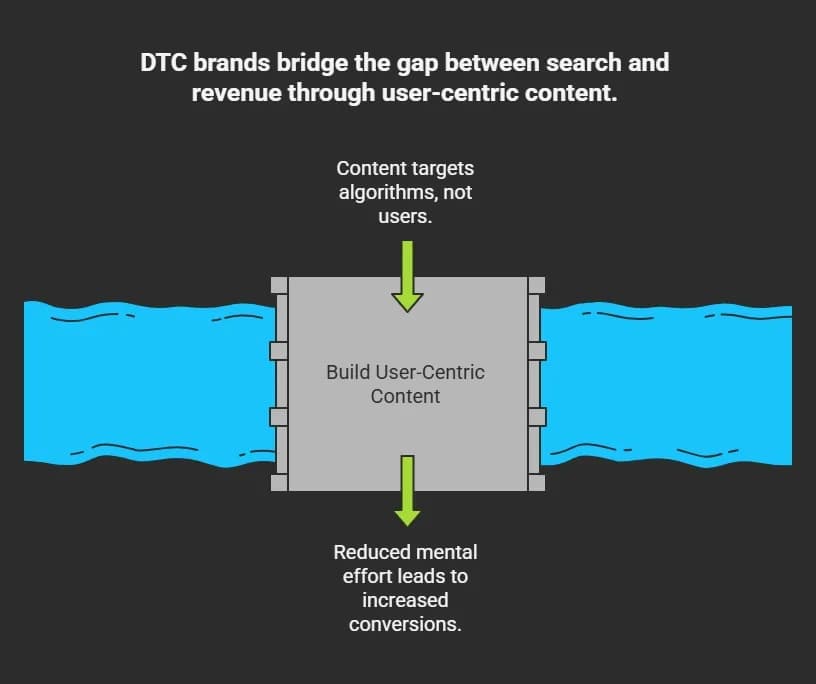
It might seem logical that offering customers more choices would lead to more sales. The more options they have, the more likely they are to find something they like, right? Well, not necessarily. In fact, too many choices can actually have the opposite effect. It’s called the “paradox of choice,” and it’s a well-documented phenomenon in psychology and consumer behavior.
“Paradox of Choice” in marketing and sales terms:
- Overwhelming Options: When customers are presented with too many choices, they can feel overwhelmed and unable to make a decision.
- Analysis Paralysis: The more options available, the more time customers spend evaluating and comparing, leading to a higher likelihood of abandoning the purchase altogether.
- Decision Fatigue: The mental effort of considering multiple options can lead to mental exhaustion, causing customers to opt for the easiest choice (which might not be the best choice).
- Loss Aversion: When faced with numerous options, customers may fear making the wrong choice, leading to a reluctance to make any choice at all.
- Satisficing: Instead of seeking the optimal choice, customers may settle for a “good enough” option, sacrificing potential satisfaction and loyalty.
- Decreased Satisfaction: Even when a choice is made, the presence of numerous alternatives can lead to post-purchase regret and decreased satisfaction with the chosen product or service.
- Reduced Conversion Rates: The Paradox of Choice can ultimately result in lower sales and conversion rates, as customers become hesitant to make a decision amidst a sea of options.
Here’s how it works: when we’re faced with too many options, we can easily become overwhelmed. Instead of feeling liberated by all the choices, we feel paralyzed. We struggle to weigh the pros and cons of each option, and we worry about making the wrong decision.
This can lead to what’s known as “analysis paralysis” – we become so bogged down in the decision-making process that we end up not making a decision at all. Or, if we do make a choice, we’re less satisfied with it because we can’t help but wonder if one of the other options would have been better.
So what does this mean for businesses? It means that sometimes, less is more. Curating a smaller selection of high-quality, carefully chosen products can be more effective than offering a vast array of mediocre options.
This doesn’t mean you should necessarily limit your offerings to just a handful of items. The optimal number of choices will vary depending on your industry, target market, and specific products. The key is to strike a balance – offer enough variety to appeal to different preferences and needs, but not so much that you overwhelm your customers.
You can also help guide customers through the decision-making process by providing clear, concise information about each option. Highlight the key features and benefits, and make it easy to compare different products. You can even offer personalized recommendations based on a customer’s specific needs or past purchases.
Ultimately, the goal is to make the buying process as smooth and satisfying as possible. Sometimes that means streamlining your offerings, and sometimes it means providing more guidance and support. But always keep the customer’s perspective in mind – more choices aren’t always better, and your job is to help them find the perfect fit.
Negative Feedback is Damaging
Many businesses fear negative feedback, viewing it as a threat to their reputation. Negative feedback is not the kiss of death for businesses. In fact, it can be a valuable tool for growth and improvement. While it’s natural to feel defensive when someone criticizes your product or service, it’s important to remember that negative feedback can provide valuable insights and opportunities for improvement.
Constructive criticism can be a valuable tool for identifying areas of improvement and demonstrating responsiveness. Addressing complaints and negative comments promptly and thoughtfully can actually improve customer trust and loyalty. Furthermore, businesses that adapt based on feedback often develop better products and services, which can lead to greater customer satisfaction and retention in the long run.
Here are some ways negative feedback can actually help your business:
-
Identifies areas for improvement: Negative feedback can pinpoint specific areas where your product or service is falling short, allowing you to make targeted improvements.
-
Provides customer insights: Criticism can give you a window into the customer’s mindset, helping you understand their needs and preferences better.
-
Encourages empathy and understanding: Dealing with negative feedback can help you develop a more customer-centric approach, fostering empathy and understanding.
-
Builds trust and credibility: Responding to negative feedback in a constructive and transparent way can actually increase trust and credibility with potential customers.
-
Drives innovation: Negative feedback can inspire new ideas and solutions, helping you stay ahead of the competition.
-
Case Study 1: Tesla When Tesla first launched its Model 3, some customers complained about long wait times and quality control issues. Instead of brushing off these complaints, Tesla listened. They ramped up production to reduce wait times and implemented more rigorous quality checks. They also communicated transparently with customers about the improvements they were making. As a result, customer satisfaction increased, and Tesla’s reputation as a responsive, customer-centric brand grew.
-
Case Study 2: Domino’s Pizza In 2009, Domino’s faced a crisis when a video of employees mishandling food went viral. Instead of trying to sweep the issue under the rug, Domino’s confronted it head-on. They apologized publicly, and then they did something unexpected – they used the negative feedback as a catalyst for a total brand overhaul. They revamped their pizza recipe based on customer critiques, and launched a new marketing campaign centered around the idea of “Pizza Turnaround.” The result? A major boost in sales and a complete shift in brand perception.
-
Case Study 3: Airbnb In the early days of Airbnb, the company received a lot of negative feedback about the cleanliness and consistency of its listings. They could have dismissed this feedback, but instead, they used it to make major improvements to their platform. They implemented a new set of cleaning standards for hosts, launched a 24/7 customer support line, and offered a guest refund policy. These changes not only addressed the immediate concerns, but also set a new standard for the vacation rental industry.
The lesson here is clear: negative feedback, while not always pleasant to hear, is an invaluable resource. It shows you directly where your business needs to improve. It gives you the opportunity to not just fix problems, but to go above and beyond in delivering value to your customers.
So next time you receive a complaint or a less-than-stellar review, don’t panic. Take a deep breath, put your ego aside, and see it for what it is – a roadmap to a better business. Embrace the feedback, communicate with your customers, and use it as fuel for positive change. Your business will thank you for it.
Marketing is Too Expensive for Small Businesses
This common misconception can deter small businesses from investing in marketing. However, effective marketing does not necessarily require a large budget.
Back in the day, marketing options were pretty limited. You could take out an ad in the local newspaper, or maybe splurge on a billboard if you had the budget. But those methods were pricey, and you had no way of knowing if you were reaching your target audience. You might be paying to advertise to people who had no interest in your product or service.
Plus, those traditional marketing channels were often dominated by big brands with deep pockets. They could afford the prime billboard locations or the full-page newspaper spreads. Small businesses were left fighting for scraps.
But oh, how the tables have turned. In the digital age, small businesses have access to an unprecedented array of affordable, targeted marketing tools. Social media platforms like Instagram and Facebook allow you to reach specific audiences based on demographics, interests, and behaviors. You can start with a small budget and adjust as you go, rather than being locked into a long-term, expensive commitment.
The same goes for online advertising. With pay-per-click ads on search engines or platforms like YouTube, you only pay when someone actually engages with your ad. No more shelling out a fixed fee for a billboard that may or may not generate a single lead.
And let’s not forget the power of content marketing. By creating valuable, relevant content and sharing it online, you can attract and engage potential customers without breaking the bank. A well-written blog post, an informative video, or a compelling social media campaign can do wonders for your brand visibility and customer loyalty.
The beauty of these digital marketing strategies is that they’re accessible to businesses of all sizes. You don’t need a massive marketing department or a six-figure budget. What you do need is a clear understanding of your target audience, a willingness to experiment and learn, and a commitment to providing genuine value.
So if you’ve been telling yourself that marketing is too expensive for your small business, it’s time to shift your mindset.
Viral Content (Online Content Marketing) is the Ultimate Goal
While viral content can significantly increase brand visibility quickly, it should not be the primary focus of a marketing strategy. The aim to go viral often overlooks the importance of consistent, quality content that builds a loyal audience over time. Rather than chasing short-lived fame, businesses should focus on content that supports their brand’s long-term goals, engages their specific target audience, and builds sustainable growth.
Think about it this way: creating a piece of content with the sole aim of going viral is like baking a cake just for the icing. Sure, the icing is delicious and eye-catching, but if the cake underneath is bland or poorly made, no one’s going to want a second slice.
The same principle applies to content marketing. If you’re churning out content just for the sake of it, without a clear purpose or value proposition, it doesn’t matter how many people see it. They’re not going to stick around, and they’re certainly not going to become loyal customers.
Instead of chasing virality, focus on creating content that genuinely serves your target audience. What questions are they asking? What problems are they trying to solve? What content would they find truly useful, informative, or entertaining?
When you create content with this mindset, a few things happen. First, you build trust and credibility with your audience. They start to see you as a reliable resource, not just another brand clamoring for their attention. Second, you attract the right kind of attention. Instead of a fleeting spike in traffic from a viral post, you steadily draw in people who are genuinely interested in what you have to offer.
And here’s the kicker – when you consistently create high-quality, valuable content, your chances of going viral actually increase. People are more likely to share content that they find truly useful or engaging. So by focusing on value first and virality second, you’re paradoxically more likely to achieve both.
Of course, this doesn’t mean you shouldn’t pay attention to the factors that can help content spread. Catchy headlines, visually appealing formats, and timely topics can all increase a piece’s shareability. But these should be secondary to the core value of the content itself.
SEO is a One-Time Effort
Search engine optimization (SEO) is mistakenly seen by some as a one-off task rather than an ongoing strategy. SEO requires continuous effort, as search engine algorithms and market conditions change frequently. Regular updates to content, continuous keyword research, and consistent website optimization are necessary to maintain and improve search engine rankings. Keeping up with SEO trends and adjustments ensures that a business remains competitive in search results, attracting ongoing organic traffic.
Well this is the end of this post, if you enjoy and learnt something please share it with your colleagues.
Share
You may also like


Send me your site
I'll tell you honestly what's broken. If we can't help, I'll tell you who can.
Free · 45 min · no obligation