So, you have a horse racing blog and you are wondering how to climb up the ranks and get that “free” organic traffic? Well, good news, there are plenty of things you can do to boost your SERPs.
Although the competition might be tough (there are many horse racing blogs), it is still considered a niche market, and way easier to rank than other sporting websites like soccer or basketball.
When it comes to search engine optimization and ranking for keywords, there are a lot of parameters that search engines like Google are scanning your site for. Additionally, SEO isn’t a one-time game where you set the rules and forget. Search Engines evolve and they are introducing new algorithm updates that can impact your ranking position.
One thing is for sure, get ready for a wild roller-coaster ride, since SEO at times can be very exciting, and at times very frustrating. But here are the most important things you should focus on in order to rank your horse racing blog higher.
Keyword Goldmine
It all starts with the keyword, right? If you write for something that nobody is interested in, no matter how good your blog is and how well you optimized your SEO strategy, you won’t get any clicks.
The point here is to pick keywords that are best for your site. If you are just starting out, you cannot target high-volume keywords. This is the biggest mistake that most blog owners make when starting a website, which can negatively affect your entire blog, and cause you to lose motivation.
Instead, you should focus on low-volume keywords. These are keywords that usually get anywhere from 50-1000 searches per month. Why? Well, two reasons.
First of all, it is easier to rank for such keywords since there isn’t much competition, and secondly, it will give you an edge compared to your competitors since you’ll be offering unique content to your readers, and search engines love that!
When it comes to finding the right keywords, there are plenty of tools you can use. From Google Keyword Planner to Ahrefs or SEMrush (they are paid), to just typing on Google and checking the “People Also Asked For” section past the first 1-2 results or check AnswerthePublic.
Content Quality
Now we come to the important part – content quality. Search engines like Google have announced that content quality is most important when it comes to ranking sites. They want something unique, valuable, and something that will give answers to people.
Although they’ve never said that AI content is bad, we all know that in order to rank higher, you’d need a human approach. Since AI content is flooding the web, it is very easy to stand out if you have human-written content.
So, how can you know if your content is high-quality? Well, first of all, the content needs to be written for humans not for search engines. Therefore, don’t add fluff, and non-important stuff. Try to be direct, don’t target keywords too much, and focus on giving the right answers to people.
This means that the word count isn’t that important. A blog post with 300 words can still contain valuable information, so always try to be as detailed and as direct as possible.
Backlinks
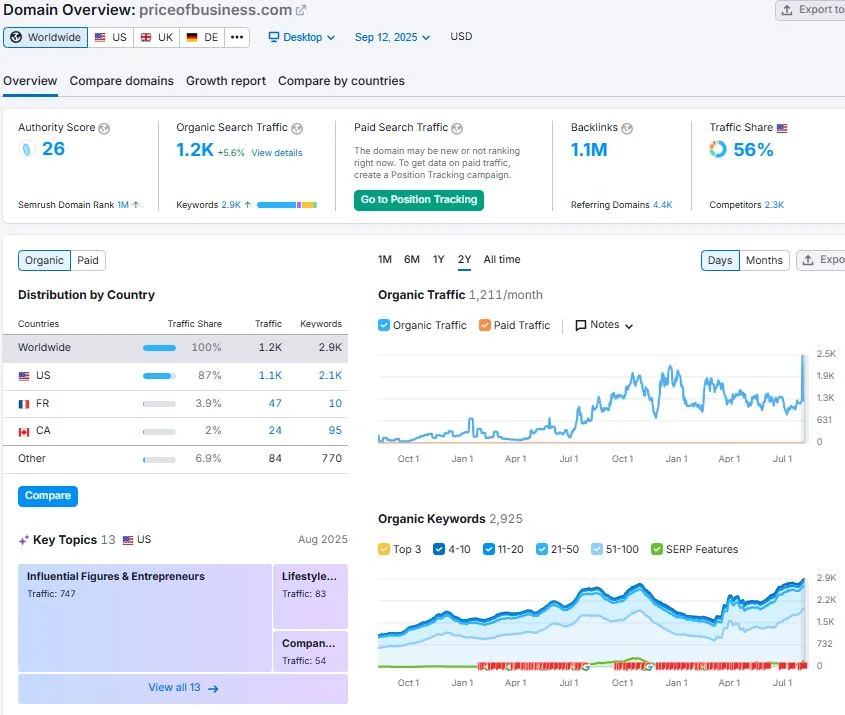
Okay, this is probably the most difficult thing when starting a website. Your domain doesn’t have much authority, which is very important when fighting for the top position in the SERPs.
How can you boost your domain authority? – Backlinks. However, it is easier said than done. Buying backlinks from freelancers or shady guys who sent you an email is a big no-no. Instead, you’d want a link from your website placed in relevant articles and in articles similar to your niche.
So, if the website is about horse racing, getting links from big industry names like TwinSpires.com or other high-authority horse racing websites should be the goal.
But don’t stress this too much. It is difficult to get backlinks at the start, but if you produce high-quality content, for low-search volume keywords, these backlinks will come naturally over time.
Mobile First
Here’s a stat that’ll wake you up: 70% of horse racing searches hit from mobiles in 2025 (Google Analytics trends), and if your site’s a slug—over 3 seconds to load—half those users bounce.
Use Google’s PageSpeed Insights: aim for a 90+ score with compressed images (a 40-mph galloper pic at 100KB, not 1MB) and lightweight themes (WordPress’ Astra flies). Responsive design’s non-negotiable—buttons big enough for thumbs, text readable without zooming.
A site clocking 1.5 seconds keeps bettors clicking, not cursing speed’s your silent jockey.
Geo-Targeting
Canadians—and equestrian nuts everywhere—search local: “Saratoga racing schedule” or “BC horse trails” spike in summer (10,000 searches June 2024, per Ahrefs).
Nowadays, geo-targeting is your edge. For a site chasing “horse racing near me,” tag pages with H1s like “Top Tracks in Alberta” or “Equestrian Events in Nova Scotia”—Google’s algorithm eats it up since 2023’s proximity update, boosting local intent by 25%.
Claim a Google My Business profile—add your site, pin a track like Woodbine—and you’re in the map pack when someone in Toronto searches “betting odds today.” Sprinkle in local slang (“eh, those odds are solid”) and you’re not just ranking—you’re resonating.
These are some of the ways that can help you rank higher in the SERPs. Remember, SEO is a long-term game, so don’t expect results in a few days.