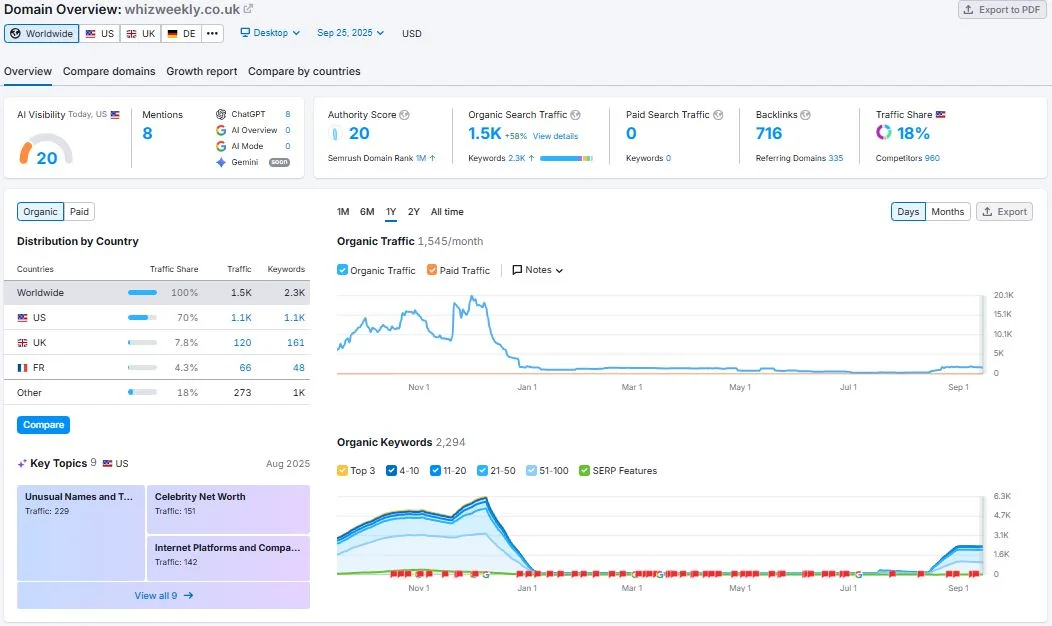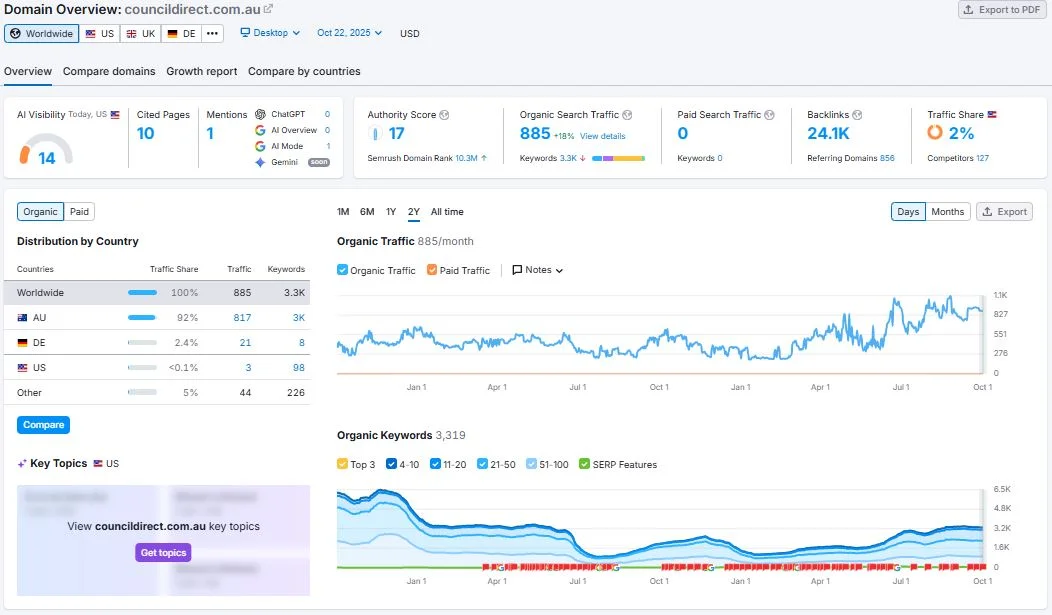
Keyword research isn’t the flashiest part of search engine optimization (SEO). But it’s the foundation. Miss the mark here, and everything you built on top, content, backlinks, conversions, starts to wobble.
- TL;DR
- Why Keyword Research Still Matters (A Lot)?
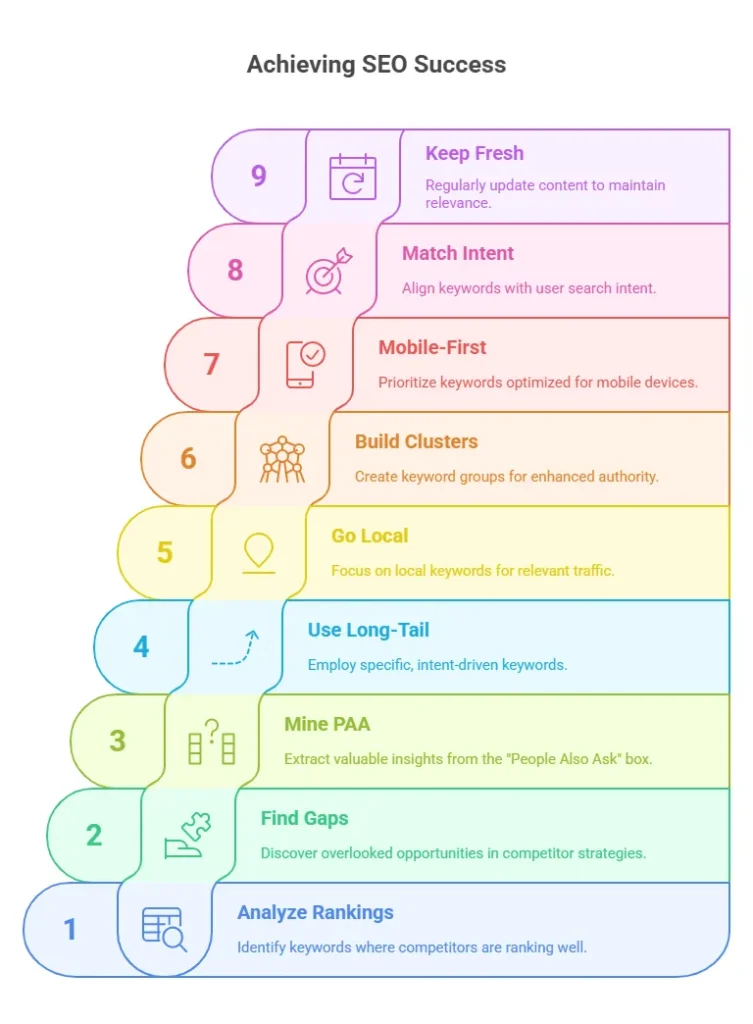
- 9 Effective Keyword Research Techniques for Organic SEO
- 1. Start With What’s Already Ranking (For Others)
- 2. Spot the Gaps Competitors Missed
- 3. Mine the “People Also Ask” Box
- 4. Use Long-Tail Keywords to Capture Intent
- 5. Go Local When It Makes Sense
- 6. Build Keyword Clusters for Deeper Authority
- 7. Mobile-First Keywords Are Not Optional
- 8. Match Keywords to Search Intent
- 9. Keep It Fresh
- Wrap Up
- Frequently Asked Questions
Remember, effective keyword research techniques for improved organic seo traffic isn’t just pulling a list of high-volume terms and calling it a day. It’s about understanding what real people are searching for, why they’re searching, and how to position content that meets them where they are.
Here’s how to do keyword research that actually drives traffic and conversions.
TL;DR
- Analyze what’s already ranking in the niche
- Find keywords competitors are using that aren’t on the current radar
- Use “People Also Ask” as a source of content ideas
- Leverage long-tail keywords for lower competition and better intent
- Incorporate local keywords for region-specific visibility
- Cluster keywords for stronger topic authority
- Optimize for mobile-first and voice search behavior
- Align every keyword with a clear intent
- Update strategies regularly to stay ahead
Why Keyword Research Still Matters (A Lot)?
Too many strategies flop because the content doesn’t match the audience’s intent or the local search engine’s expectations. Solid keyword research helps fix that.
Here’s how:
- Makes it easier for Google, Bing, and other crawlers to interpret a page
- Keeps content aligned with what users are really looking for
- Reveals blind spots and easy wins competitors are overlooking
- Helps shape everything from blog topics to URL structure and internal linking
9 Effective Keyword Research Techniques for Organic SEO
1. Start With What’s Already Ranking (For Others)
Dig into the pages that are already winning in the search results. Keyword research tools like Ahrefs, SEMrush, or Ubersuggest can pull reports on top-performing content from competitors.
Take a B2B SaaS company’s “pricing guide” that is bringing in thousands of monthly visits as an example. After analyzing the structure and keyword density, a new version was built – leaner, more up-to-date, and optimized for better UX. Within a few weeks, traffic spiked.
So how can you do this? There are only 3 things you focus on:
- What keywords drive traffic to those pages
- How the content is laid out
- What kind of backlinks are pointing to them
Leverage this data to create more valuable and optimized content that outranks them on search engine results pages. Reverse engineering wins faster than guessing.
2. Spot the Gaps Competitors Missed
Keyword gap analysis is underrated.
Using platforms like SEMrush Keyword Gap is a good idea here, it’s easy to uncover high-value keywords competitors rank for, but your current site doesn’t.
These high-value terms are low-hanging fruit. Focus on these to match your audience’s intent and have achievable difficulty scores to capture quick wins. on organic search results
For example, an SEO agency has a client in the legal space who wasn’t showing up for the “free estate planning checklist” keyword. Once that keyword is added to the content strategy properly, the keyword may start pulling in targeted SEO organic traffic that can convert well.
3. Mine the “People Also Ask” Box
Aside from competitor analysis, Google’s “People Also Ask” (PAA) is like a free focus group. These aren’t just random questions that Google generated based on blogs that are published by websites. They’re real searches and inquiries that users are typing in.
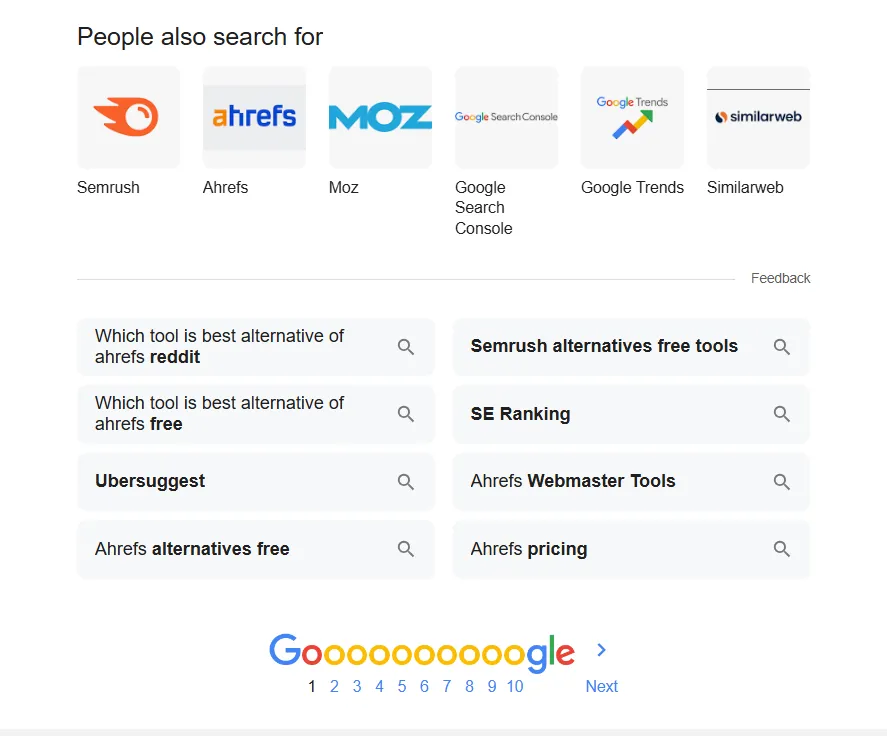
Answering these questions in articles, FAQs, or subheadings boosts the chance of landing featured snippets and enhances content depth. It also keeps the page sticky. So this means that users stay longer which search engines love.
4. Use Long-Tail Keywords to Capture Intent
Long-tail keywords often convert better. They’re more specific, less competitive, and reflect the serious intent of your target audience.
Some examples:
- “how to set up Google Tag Manager in Shopify”
- “best budget CRM for startups 2024”
- “SEO checklist for ecommerce product pages”
Long tail keywords are gold for building authority around niche topics. Just don’t force them and let them flow naturally in your content.
5. Go Local When It Makes Sense
For businesses with a physical footprint or location-specific services, local SEO is a must.
Adding city names, neighborhoods, or even landmarks to keywords can boost visibility in Google Maps and local pack results.
Examples:
- “emergency plumber near downtown Seattle”
- “family dentist in Brooklyn Heights”
- “wedding venues Napa Valley”
- “SEO agency Sacramento”
Take note that local keywords tend to have lower competition and are more specific. This means that optimizing your content with these keywords opens more opportunity for higher conversion rates.
6. Build Keyword Clusters for Deeper Authority
Keyword clustering is all about grouping related terms and building interconnected content hubs. This not only improves your internal linking strategy but also signals strong topical relevance to search engines.
Think of a main pillar page like “digital marketing strategy.” Supporting content could include:
- content calendar template
- how to run A/B tests on Facebook Ads
- tracking return on investment for influencer campaigns
Each links back to the pillar and to each other. It helps both users and search engines understand how topics are connected and improves crawlability.
7. Mobile-First Keywords Are Not Optional
More than 60% of traffic is mobile device. Voice search is growing, too. That means optimizing for how people talk, not just how they type.
Mobile-first keywords usually include:
- conversational phrasing (“what’s the best…”)
- time-based queries (“open now”)
- location-based phrases (“near me”)
Tip: Run pages through Google’s Mobile-Friendly Test and monitor performance in Search Console. Poor mobile user experience can drag rankings down fast.
8. Match Keywords to Search Intent
Search intent isn’t a buzzword or additional column to make data from SEO tools look technical. Intent is the core of keyword alignment. If a page doesn’t match what the user wants, they’ll bounce.
Keywords are broken into four buckets:
- Informational: “how does SEO improve sales”
- Navigational: “Yoast SEO plugin login”
- Commercial: “best CRM for small businesses”
- Transactional: “buy link building services”
Not all search traffic is equally valuable. Mapping keywords to their corresponding search intent ensures your content is purpose-driven and performs better.
Building intent-based content increases engagement, improves dwell time, and typically converts better.
9. Keep It Fresh
Keyword research isn’t static. Markets evolve. User behavior shifts. Google search results algorithms change.
Scheduling regular content audits every 3–6 months can uncover:
- new keyword opportunities
- outdated or underperforming terms
- new competitor activity
Even a quick tweak like adding a trending keyword or updating meta descriptions can improve rankings.
Wrap Up
Keyword research isn’t glamorous, but it’s absolutely essential. Think of it like the blueprint for everything else SEO touches. Get it right, and everything becomes easier: web traffic grows, bounce rates drop, conversions improve.
Ready to turn search traffic into conversions?
Frequently Asked Questions
Focus on keywords with high relevance to your audience, reasonable search volume, and achievable competition. Prioritize those that align with your content goals and user intent for maximum impact.
Enter seed keywords or your website URL into Google Keyword Planner to discover keyword ideas, search volumes, and competition levels. Use this data to select relevant keywords that fit your SEO strategy.
Keyword density refers to how often a keyword appears in your content. Maintaining a natural density helps search engines understand your topic without risking penalties for keyword stuffing.
Common mistakes include targeting overly competitive keywords, ignoring user intent, neglecting long-tail keywords, and failing to update keyword strategies regularly.