B2B vs. B2C Ecommerce: What’s The Difference?
Curious about the differences between B2C vs. B2B ecommerce? While both refer to selling goods and services online, they cater to different audiences and follow distinct business models. In this guide, we’ll break down what B2B and B2C ecommerce are and explore their key differences. What is B2B eco
 Jennysis5 min read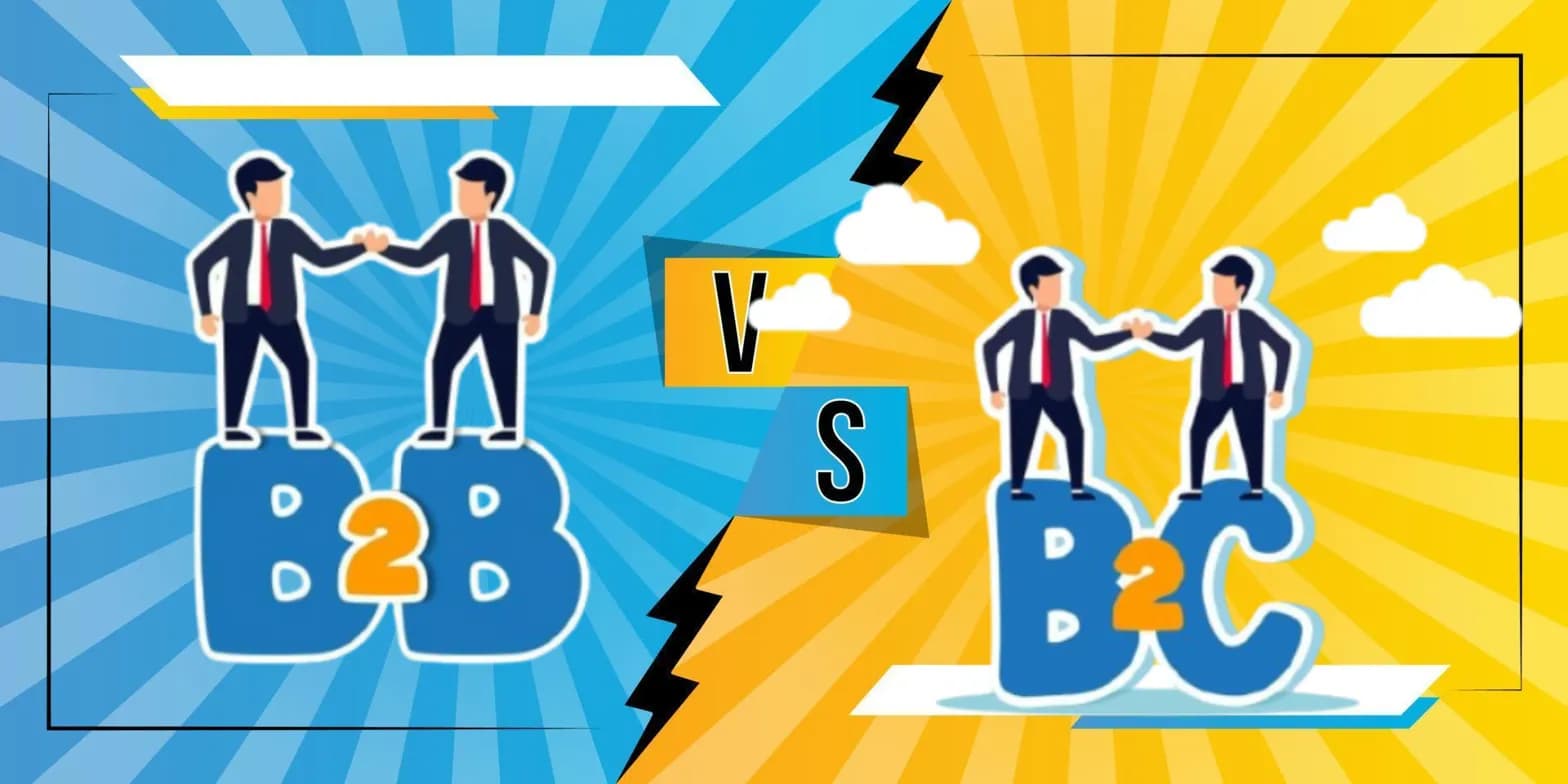
Curious about the differences between B2C vs. B2B ecommerce? While both refer to selling goods and services online, they cater to different audiences and follow distinct business models. In this guide, we’ll break down what B2B and B2C ecommerce are and explore their key differences.
What is B2B ecommerce?
B2B (business-to-business) ecommerce is the online sale of goods and services between businesses. Unlike B2C (business-to-consumer) sales, which cater to individual shoppers, B2B transactions focus on supplying businesses with the products, equipment, or services they need to operate – no matter if it involves raw materials, wholesale products, or distribution services.
Companies use digital platforms like websites and online marketplaces to connect with suppliers and customers, making transactions more efficient and scalable. As more business operations move online, B2B ecommerce has become essential for streamlining processes, expanding reach, and driving growth in today’s digital world.
What is B2C ecommerce?
B2C ecommerce, or business-to-consumer ecommerce, is all about businesses selling products or services directly to consumers without intermediaries. Whenever you book a vacation, order a meal, or stream a movie, you’re experiencing B2C ecommerce. This model creates a seamless shopping experience, making it easy for consumers to find and purchase what they need directly from the source.
B2B vs. B2C Ecommerce: What’s The Difference?
Comparison Factor
B2B (Business-to-Business)
B2C (Business-to-Consumer)
Customer Relationship
Long-term, relationship-focused with account managers and personalized service. Often includes contracts spanning months or years.
Transactional, often one-time purchases with limited ongoing relationship. Loyalty programs try to encourage repeat business.
Purchase Decision Process
Complex, involves multiple stakeholders (6-10 decision-makers on average). Sales cycles last 3-12 months with formal approval processes.
Relatively simple, often made by a single person. Emotional and impulsive decisions common with sales cycles measured in minutes or days.
Order Values & Volume
High-value orders ($5,000-$500,000+), lower transaction frequency but higher volume per order. Often includes bulk purchasing with quantity discounts.
Lower value orders ($10-$1,000), higher transaction frequency with smaller quantities. Special occasions might trigger larger purchases.
Payment Structures
Credit terms (Net 30/60/90), purchase orders, credit lines, and invoice billing common. Often includes negotiated pricing and contract-specific payment terms.
Immediate payment via credit card, PayPal, or other digital payment methods. Standardized pricing with occasional discounts or promotions.
Website UX/UI
Function over form with detailed product specifications, documentation, and technical information. Features complex account structures with permission levels and approval workflows.
Visually appealing with emphasis on lifestyle imagery, emotional appeal, and simplified product information. Quick checkout process optimized for conversion.
Marketing Approach
Educational content focusing on ROI, efficiency gains, and technical specifications. Heavy use of whitepapers, case studies, and industry events to build credibility.
Emotional appeals highlighting benefits, lifestyle improvements, and status. Uses social media, influencers, and flash sales to drive immediate purchases.
Customer Service
Dedicated account representatives providing personalized support throughout the relationship. Includes training, implementation assistance, and ongoing technical support.
Standardized support through chat, email, or phone with focus on quick issue resolution. Self-service options like FAQs and knowledge bases common.
Product Catalog
Narrower selection with deep technical specifications, customization options, and compatibility information. Often includes customer-specific catalogs with negotiated pricing.
Broad selection with emphasis on variety, trends, and consumer appeal. Product descriptions focus on benefits and lifestyle rather than technical details.
Platform Requirements
Complex ERP integrations, quote generation, approval workflows, customer-specific pricing, and reorder functionality. Often needs integration with procurement systems (PunchOut).
Simplified checkout, wish lists, reviews, recommendations, and mobile optimization. Focus on conversion optimization and average order value increase.
Return Policies
Formalized with contractual terms, often including restocking fees and quality inspection procedures. May include warranty and service level agreements for long-term support.
Consumer-friendly with extended return windows (30+ days) and often free return shipping. Designed to reduce purchase anxiety and meet consumer protection regulations.
While both B2B and B2C ecommerce involve selling products or services, they operate differently regarding customer needs, buying processes, and overall strategy. Here’s a breakdown of their key differences:
- Target audience size
B2C targets a broad audience, while B2B focuses on a narrower group with specific needs, requiring tailored marketing strategies.
- Pricing
B2C prices are fixed for consumers, whereas B2B prices are often negotiable and involve larger order values, allowing for significant revenue with fewer customers.
- Messaging
B2B marketing focuses on detailed product information and value propositions, while B2C emphasizes emotional connections and lifestyle benefits.
- Customer journey
B2B customers navigate a complex journey involving research and negotiations before making a purchase, while B2C customers typically follow a straightforward path based on immediate needs.
- Marketing approach
B2B marketing is relationship-driven and long-term, while B2C is fast-paced and immediate, focusing on quick conversions.
- Decision-making
B2B purchases involve multiple stakeholders, leading to longer sales cycles, while B2C transactions are typically quicker and less complex.
- Product complexity
B2B products are complex and require detailed specifications, while B2C products are simpler and designed for everyday use.
- Payment preferences
B2C customers prefer credit cards and digital wallets, while B2B buyers often use bank transfers and payment terms like net 30 or 60.
- Sales length
The B2B sales cycle can be lengthy, often taking weeks or months, whereas B2C sales are typically quick, driven by personal preferences and promotions.
- Customer retention
B2B relationships often lead to repeat orders due to the need for consistent inventory, whereas B2C retention relies on individual customer satisfaction.
- ROI pressure
B2B buyers prioritize profitability and cost-saving, making decisions based on potential returns, unlike B2C buyers who may shop for personal enjoyment.
Key takeaways on ecommerce B2B vs. B2C
Understanding B2B vs B2C ecommerce marketing is essential to developing successful strategies. Regardless of whether you are a B2B business owner looking to streamline business or an owner of a B2C company trying to deliver seamless shopping experiences online, knowing these distinctions can help you navigate the digital marketplace more strategically.B2B businesses require tailored solutions for bulk purchasing, complex pricing structures, and efficient supply chain management, while B2C businesses require user-friendly websites, fast checkout, and customized customer experiences.
To compete effectively, businesses require the right ecommerce tools and approaches.
Consider exploring ecommerce website development services to discover cutting-edge solutions that can help you optimize, streamline, and scale your business.
Share
You may also like

Send me your site
I'll tell you honestly what's broken. If we can't help, I'll tell you who can.
Free · 45 min · no obligation