
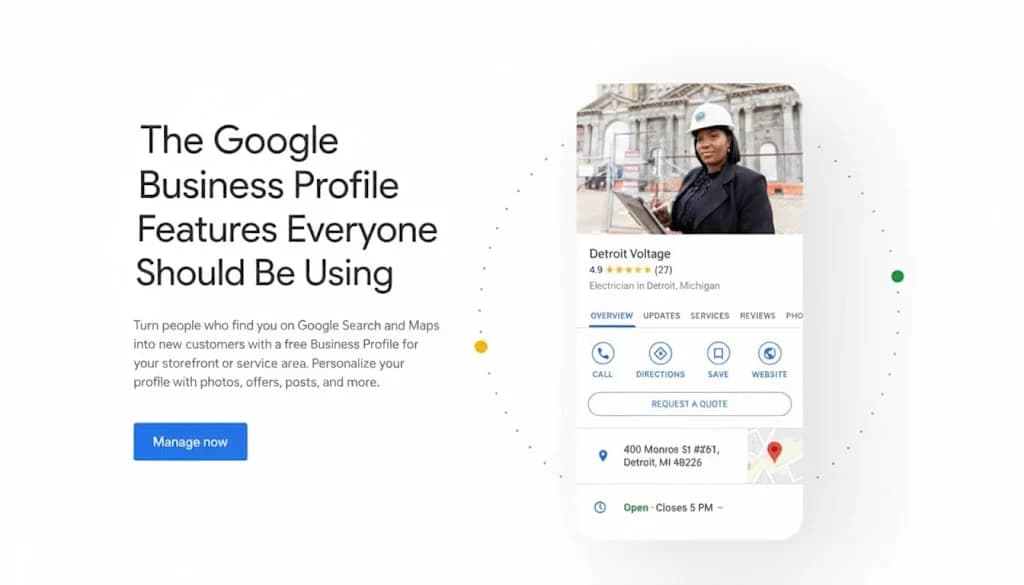
Mastering Ideal Customer Profiles: Practical Examples to Elevate Your Marketing Strategy
In business, knowing who you’re engaging with is not merely an icing on the cake; it is an absolute requirement. If you are introducing a new product, tweaking your marketing plans, or trying to expand your customer base, making sure you have an ICP in place is the secret to your success. Creating a
 Tom Koh7 min read
In business, knowing who you’re engaging with is not merely an icing on the cake; it is an absolute requirement. If you are introducing a new product, tweaking your marketing plans, or trying to expand your customer base, making sure you have an ICP in place is the secret to your success.
Creating an ICP is not limited to collecting information like age, gender, or geographical area. It goes further and tries to uncover information about customer goals, pain points, decision making methods, and even how they prefer to interact. With this information at hand, one can shape their product, message, and overall marketing strategy to suit their target audience’s needs with precision.
What is an Ideal Customer Profile (ICP)?
An ideal customer profile can be simply defined as a representation of a customer that would be the best fit and would gain tremendous value from the business and would also return the favor to the business. An ICP looks beyond characteristics and tries to understand what motivates people to make certain purchasing decisions.
Let’s start with you selling a project management software. Your ICP is not just “managers,” but rather more specifically as follows:
- Name: Michael
- Age: 38
- Role: Project Manager at a mid-sized marketing agency
- Goals: Mitchell wants to streamline workflows and reduce team miscommunication.
- Pain Points: He struggles with juggling between multiple deadlines. Moreover, tools that don’t integrate well make his position difficult.
- Preferred Communication Style: Short emails that get straight to the point and include aids such as charts.
These details make it possible for you to run campaigns and create features that directly target Michael’s needs.
Why Is Defining An ICP Important?
Without a proper ICP, your marketing endeavors might feel like aiming at a dartboard from a distance—you’re just guessing, wasting money, and getting nothing to show for it. Everything from your marketing strategy to your customer service can be more efficient with an ICP.
1. Refined Messaging
Knowing and understanding the goals and pain points of your audience ensures that your messaging is crisp. Instead of stale advertisements, your audience is targeted in ways that serve their requirements.
Take a company selling time-tracking for example. They could advertise: “Track time with ease and reclaim 5 hours per week.” The target audience here would be freelancers with a sharp focus on maximizing their productivity.
2. Better Resource Distribution
With the boundaries set by a defined ICP, you can easily concentrate efforts to the most important marketing channels. If previously you had to split your budget across various platforms, now you can focus your spending where your audience truly is.
Consider this scenario: Your ICP spends their time on LinkedIn and engages with professional communities. It is reasonable to spend more on LinkedIn ads and minimize spending on Instagram.
3. Improved Customer Loyalty
Loyalty is enhanced as customers who feel like they are understood by the brand are inclined to stick with it. By understanding customer expectations and aligning your product and communication strategy with those needs, you can forge powerful and lasting relationships.
For instance, Netflix is able to keep their customers engaged and subscribed due to their recommendation algorithm being able to understand preferences effectively.
4. Improved Product Development
Having a well-defined ICP aids in planning product development effectively. You are able to ensure that you are focusing on improving features that address real issues instead of wasting time on unnecessary changes.
Example: A business professional fitness application will focus on fifteen minutes workouts instead of complex multi-stage hour long sessions.
How to Build Your Customer Profile
Step 1: Study Your Customers
You should try first with the ones you currently have. Locate the clients that seem to be the happiest and are achieving the best results with your product. Examine their buying habits and patterns and their feedbacks as well.
Example:
If your highest-paying customers consist of small business owners aged 30-45 who require customer support, then you’ve learned something valuable to note on your ICP.
Step 2: Look into Your Competitors
This means analyzing their marketing strategies, and their companies. What kind of clients are those businesses pulling? Are there any patterns that indicate you can enter in a new market?
Example:
If companies in your industry tend to aim younger, tech savvy people, then there might be a gap serving older professionals who are seeking for easy to use software.
Step 3: Utilize Analytics and Surveys
Use analytics to understand your website traffic, email opens, and conversion data. You may also conduct surveys to ask directly from your customers.
Sample Survey Questions:
- How would our product help you?
- Why did you choose us instead of the competition?
- How do you typically get to know about products like ours?
Step 4: Build a Comprehensive Persona
Your research should be compiled into a comprehensive understandable persona. Add such details as:
- Full name
- Job position
- Most important features
- Objectives
- Interests
- Favorite Ways to Communicate/Be Communicated to
Example Persona:
“Sarah, a 35-year-old marketing manager is having challenges with collaboration and working together as a team. Because she is often searching for answers on LinkedIn and marketing blogs, she especially appreciates any products that save her time and help her communicate in a clearer way.”
Step 5: Execute and Improve
Your Ideal Client Profile does not change. Period. This is a common misconception and makes a lot of businesses suffer. Frequently check what campaigns you are running and what feedback is being collected to ensure lesser restrictions on your profile. Incrementally, as your business grows, so will your Ideal Client Profile.
Example:
A product that, for example, initially directed to freelance writers will, as the product ages, turn to agencies, and even publishers.
Real Life Articles For ICP in Various Industries
The ideal customer profile (ICP) can be applied in every industry as it can assist businesses in developing effective strategies tailored to their specific audiences. Let’s take a look at some real life cases to understand how ICDs steer product marketing and development processes.
Take a young business in the I-commerce industry that focuses on sustainable wardrobe items for ladies between the ages of 18-25. This demographic is willing to purchase sustainable items but is often restricted because of their finances. For these customers, spending holds value for eco-friendly purchases which make them feel good. E-commerce brands and marketers can target these buyers through versatile ad campaigns. For instance, these brands can use eco-friendly student discount campaigns geared towards learner and activist ethos. This audience is most active on Instagram and TikTok where content is visually appealing, so brands are able to showcase their values and affordable products in a cost effective way.
For the ICP in the B2B SaaS sector, they may be paying attention towards CEOs of small IT startups. These leaders typically work with limited budgets and small teams which makes affordable collaboration tools a must have. Their struggle is meeting productivity with available resources, and the main objective is to improve efficiency in a reasonable manner. With this meticulously crafted persona, it is easy for SaaS platforms to market their products as affordable and powerful team management solutions. The business can also focus on marketing the cut in budget and effortless adoption into existing systems through LinkedIn and targeted email blasts, marketing to those in charge. Furthermore, and most importantly, giving them a preview of the service, or at the very least, a hook should ease the burden, directly solving their budget problem.
In the fitness industry, a workout app could focus on working men and women between the ages 30 to 40 who enjoy staying fit, but often struggle to juggle everything that comes with work and life. This demographic frequently lacks the time, so sticking to a traditional gym regimen can often feel challenging. Therefore, they must have quick yet productive workouts that can be integrated into their busy schedules. Once identified, the fitness app can form a fitness app which includes 15 minute workout plans or guided exercises that can be done at home. Messaging focused on convenience and ease of use, such as “Get fit in 15 minutes a day” This group can be targeted on Facebook and through email newsletters, as that is where they look for help balancing work and home life. Other users’ testimonials can further enhance the app’s credibility.
These examples show how a well-crafted ICP informs every aspect of a business’s strategy, from product design to marketing campaigns. By learning about the dire challenges and ambitions of their ideal customers, businesses can guarantee that their solution is ideal, meeting their demands more efficiently than their competitors.
How A Focused ICP Transforms An Organization
Having a clearly defined Ideal Customer Profile (ICP) presents a plethora of benefits to a business. These benefits include:
- Sales Teams customizing their sales pitches.
- Marketing Teams developing campaigns with a better success rate.
- Product Teams building necessary features.
This fosters the formulation of an overall business strategy that focuses on the ideal customer.
What To Do Next
While working on an ICP feels like a lot of work, you are not alone in this. Tools such as AI Marketing Assistant, Elsa, from m1-project.com are here to help. Rather than taking months, Elsa is capable of defining your ICP in a matter of minutes by analyzing your competitors, business, and audience.
With Elsa, you are able to:
- Analyze the goals, pain points, and habits of customers.
- Determine the best marketing channel to communicate with the customers.
- Generate audience-centric contents that are likely to convert.
Share
You may also like


Send me your site
I'll tell you honestly what's broken. If we can't help, I'll tell you who can.
Free · 45 min · no obligation