

Top Tips to Deliver Mobile-friendly Websites to Enhance Search Engine Rankings
Today, smartphones have become an integral part of our lives, and the importance of developing a mobile-friendly website cannot be neglected. When your website is not optimized for mobile, users leave your website and go back to search engines to find a better result. Also, users need to scroll end
 Jason Khoo6 min read
Today, smartphones have become an integral part of our lives, and the importance of developing a mobile-friendly website cannot be neglected. When your website is not optimized for mobile, users leave your website and go back to search engines to find a better result.
Also, users need to scroll endlessly to get the information they are looking for, resulting in their frustration. Most businesses are struggling with the repercussions of not delivering a mobile-first website.
However, you are not alone in facing the problem of user abandonment from the website. Search engines like Google or Bing don’t index or rank your website even if you have the best and unique information available on your website.
This can impact your reach and visibility. That’s why you must invest in a mobile-first development approach, especially when working with firms that build websites. In this blog, you learn why a mobile-first website is important and the tips to make it possible.
Why Must You Develop a Mobile-First Website for SEO?
The Google algorithm updates regularly to ensure users get relevant and high-authority content. They want to ensure the best user experience across devices. That’s why they prioritize mobile-first websites.
If you haven’t designed your application interface for mobile, you might lose visibility and conversion opportunities.
#1 Mobile-first Indexing
Google shifted majorly towards mobile-first solutions in 2018. They introduced mobile-first indexing, which meant your websites would be indexed and ranked for their mobile version.
This algorithm change meant you had to optimize the websites for mobile devices and platforms. It also considers the increasing number of people accessing the sites via mobile.
#2 Uplifts User Experience
User experience is crucial to translating your goals and effectively improving the returns on investment. The users must be able to move around intuitively and access the entire website on their smartphones.
Whether it is reading the information or clicking on the buttons, you must ensure everything works properly. This will help create a positive image of your business in the eyes of the users. Additionally, it can contribute towards longer sessions.
#3 Reduces the User Churn
Missed opportunities arise when the user moves away from your website immediately after visiting it. This could be because of the loading speed, low-quality images, or poor skimming possibilities.
If they don’t get the information they want at the desired speed, they will move away from your business. When more people abandon your site, it can hurt your rankings and visibility. The increased churn indicates that people don’t like your website or the information is useless.
#4 Enables Local Optimization
When you implement location-based search engine optimization for your mobile-first sites, you can increase the visibility in local searches. You must add location-based keywords and business information to improve the opportunities.
It is crucial to address the optimization needs in the wake of increasing local opportunities for your business.
#5 Voice Search Optimization
The global voice recognition market size is expected to reach $50 billion by 2029. With the rising number of voice-assisted devices (8.4 billion units in 2024), your website must be optimized for voice search. You must ensure that the search engines rank your websites for voice queries.
This would help you capitalize on the increasing voice-based search opportunities and convert them effortlessly.
Top Tips to Create Mobile-friendly Websites
Mobile-friendly websites are crucial for effective search engine optimization. It can help improve the website’s performance and experience on smartphones. Here are a few tips to help build mobile-first solutions.
#1 Create Responsive and Adaptable Layouts
Invest in responsive layouts that can fluidly adapt to the different screen sizes and resolutions. You must ensure that the buttons, content, images, and menus are adaptable. This will eliminate the need to create different screens and designs for the various devices.
You can focus on innovating the experience and crafting intuitive elements without adding to your scalability or maintenance needs.
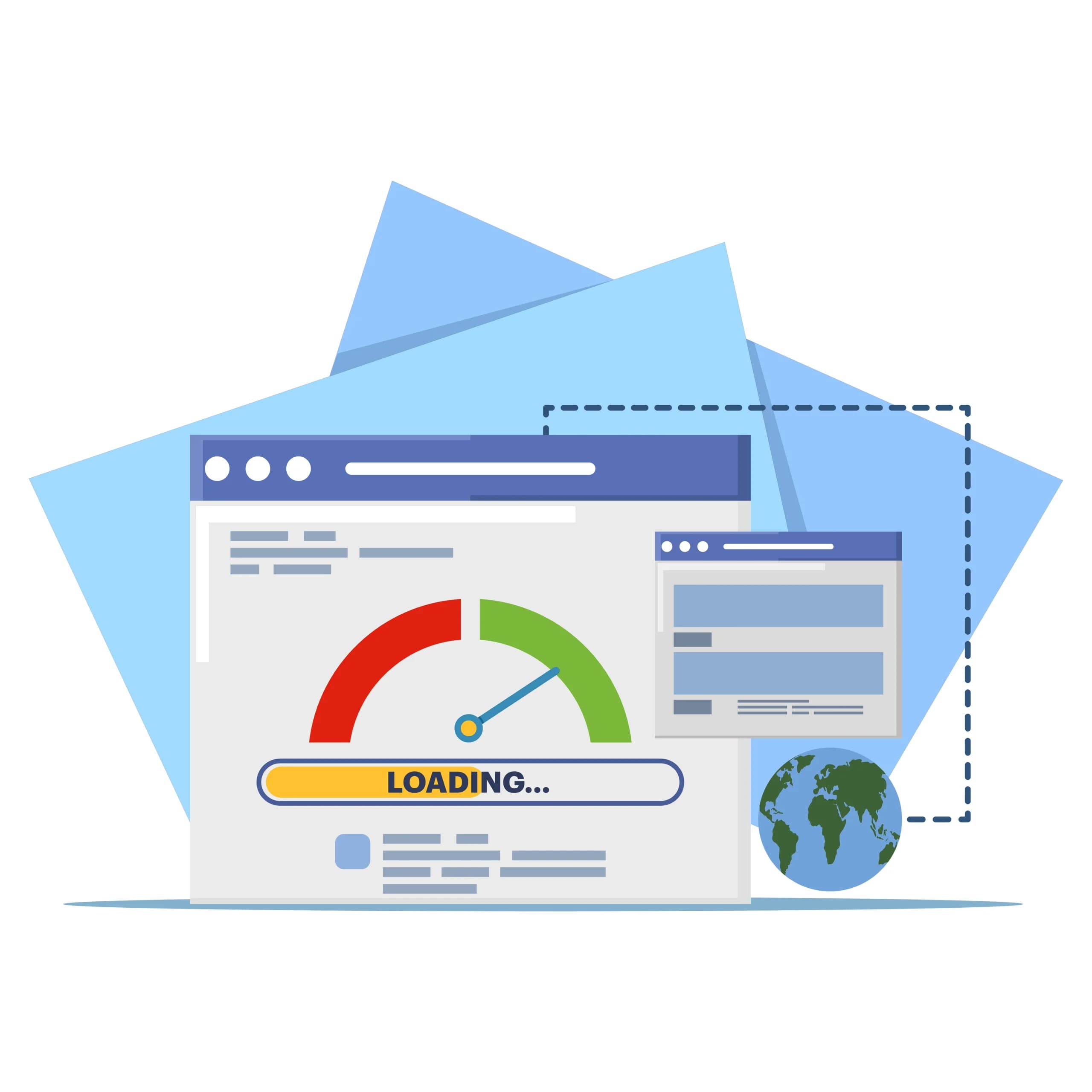
#2 Prioritize Page Loading Speed
Page loading speed is an important practice to deliver high-performing and fast-loading websites. The users cannot wait for the website to load and get frustrated.
By reducing your mobile site speed by 0.1 seconds, you can increase conversion by 8%.
To achieve better speed, you can reduce the server response time and use browser caching methods. You can also optimize the images and CSS files. This would ensure faster loading on your mobile devices.
#3 Design the Elements for Mobile
You must ensure that the users can move around the website swiftly on their mobile devices. It is important to ensure a fluid and intuitive interface design that is built keeping the mobile devices in mind.
Check if the buttons and other clickable elements are properly sized and spaced for the small devices. Ensure users can access the elements via touch. These are important as the screen is small, and each click/touch will determine the user’s experience.
#4 Intuitive and Mobile-friendly Navigation
You must simplify the navigation for mobile devices to ensure easy and swift movements. You can use collapsible or hamburger menus to create mobile-friendly solutions.
You can use their familiarity to define a clear logic that would make them access the pages easily. They will stay around longer and engage with your website if the effort is minimal.
#5 Plan the Content for Mobile
The way mobile users consume content is different from that of desktop users. They skim through important content and move to the actions.
You must plan your folds and prioritize the content according to their usage patterns. Make sure to avoid unnecessary text or multimedia that can hamper their app experience.
You must also reduce the content that is irrelevant and can distract them from the core messages or information. Learn in detail about the tips for content and design for your website from this post.
#6 Fine-tune Images for Mobile Devices
The images need to load faster while maintaining the quality on mobile devices. You can compress the images to get started. Additionally, you must implement lazy loading techniques to avoid loading the non-essential elements.
Make sure your video and other multi-media content is accessible on mobile devices. This would impress the users and increase their engagement. Every smallest detail on your website represents your brand. Therefore, having a good website with proper representation of content and design is important. You need to create a website that represents your brand online.
#7 Test the Website on Multiple Devices
Your user can access the website from multiple places (devices and web browsers). They must be compatible with these devices. Moreover, the users must be able to access the buttons and other clickable elements irrespective of the device or browser.
Use the testing tools and emulators to identify and eliminate the issues as soon as they arise. Testing can help you improve the application continuously and ensure it enhances the user’s experience.
Conclusion
In this blog post, you have got understanding of creating a mobile-friendly website so users can access it on their smartphones. It can help you broaden your reach and ensure maximum visibility. Here are the key takeaways from this blog post.
- Mobile-first indexing is crucial for search engines like Google. It helps them understand that users can easily access and engage with your website on mobile devices.
- It can improve your local search engine rankings and reduce the churn rate for your business. You must optimize the images, clickable elements, and menus for mobile devices. Additionally, focus on the most important content or information while creating the design.
- Your mobile app should be skimmable, which can increase the intrigue and attract the user’s attention. You can use the mobile-friendly test tool by Google to understand the potential issues. This will help mitigate these issues.
- Responsive designs can help users access the website on all devices or resolutions. Lastly, make sure to enhance the loading speed of your mobile site.
- You must prioritize mobile-first designs for search engine optimization and maximize conversion opportunities.
Share
You may also like


Send me your site
I'll tell you honestly what's broken. If we can't help, I'll tell you who can.
Free · 45 min · no obligation